Overview
Resilient Nation at Europe’s Heart
Key facts
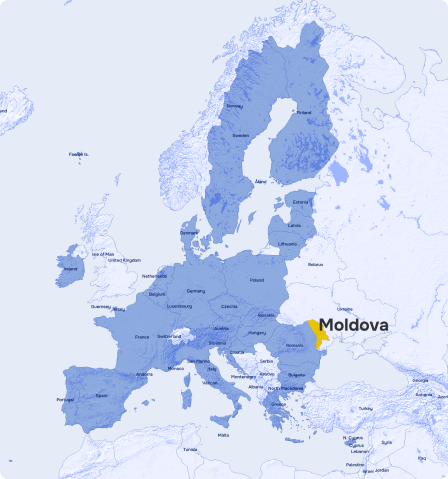
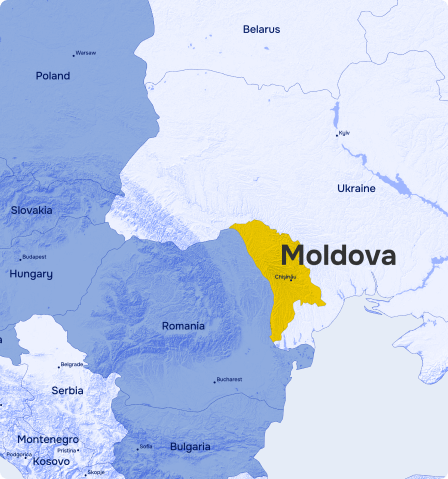
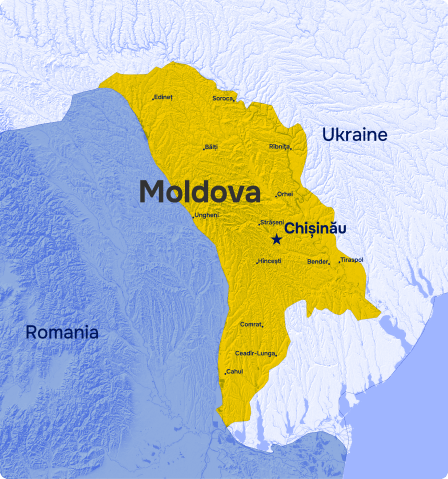
Nestled in Europe, between Romania and Ukraine, Moldova is a land of resilience, ambition, and transformation.
With a population of 2.9 million and a territory of 33,700 km², Moldova is home to vibrant cities, rolling vineyards, and a dynamic economy on the rise.
Get there
2h 55min
From Paris
—>
to Chișinău
Population
2.89 million
A young, multilingual, and ambitious society
Currency
Moldovan Leu
Stable and easily convertible in the region
Capital
Chișinău
Cultural, political, and innovation center of Moldova
Official language
Romanian
also spoken: Bulgarian, Gagauz, Russian, Ukrainian.
Area
33,843* km2
Including the transnistrian region
Time zone
(GMT+2)
Aligned with most Eastern European countries
GDP total
$18.2 billion
A growing economy driven by reform and trade
President
Maia Sandu
Re-elected in 2024
A rich history rooted in resilience
Moldova’s story began in 1359, when it emerged as a principality facilitating trade between the Black Sea ports and Central European cities. Over centuries, the country endured the expansion of Ottoman and Russian empires, but its people preserved their Romanian language and culture, resisting historical hardships, deportations, and forced demographic shifts.
In 1991, Moldova regained independence, marking a new chapter in its identity. Despite early struggles, it has transformed its economy, with GDP growing sixfold since Soviet times, emerging as a rising European economy.
A major step came in 2014 with EU visa liberalization, enabling Moldovans to travel freely across Europe and reinforcing the country’s European aspirations.
In 2022, Moldova was granted EU candidate status—an historic milestone driven by resilience and reform. Today, the country is accelerating its transformation, building strong institutions, and turning its European vision into reality.

Since 1359
Moldova has preserved its identity through centuries of challenges

Peaceful & Safe
Ranked 8th in the world for peace & security (Good Country Index).

EU Candidate Country
Officially recognized in 2022.

Parliamentary Country
Democracy in action, ensuring governance by the people, for the people.
A dynamic and growing economy
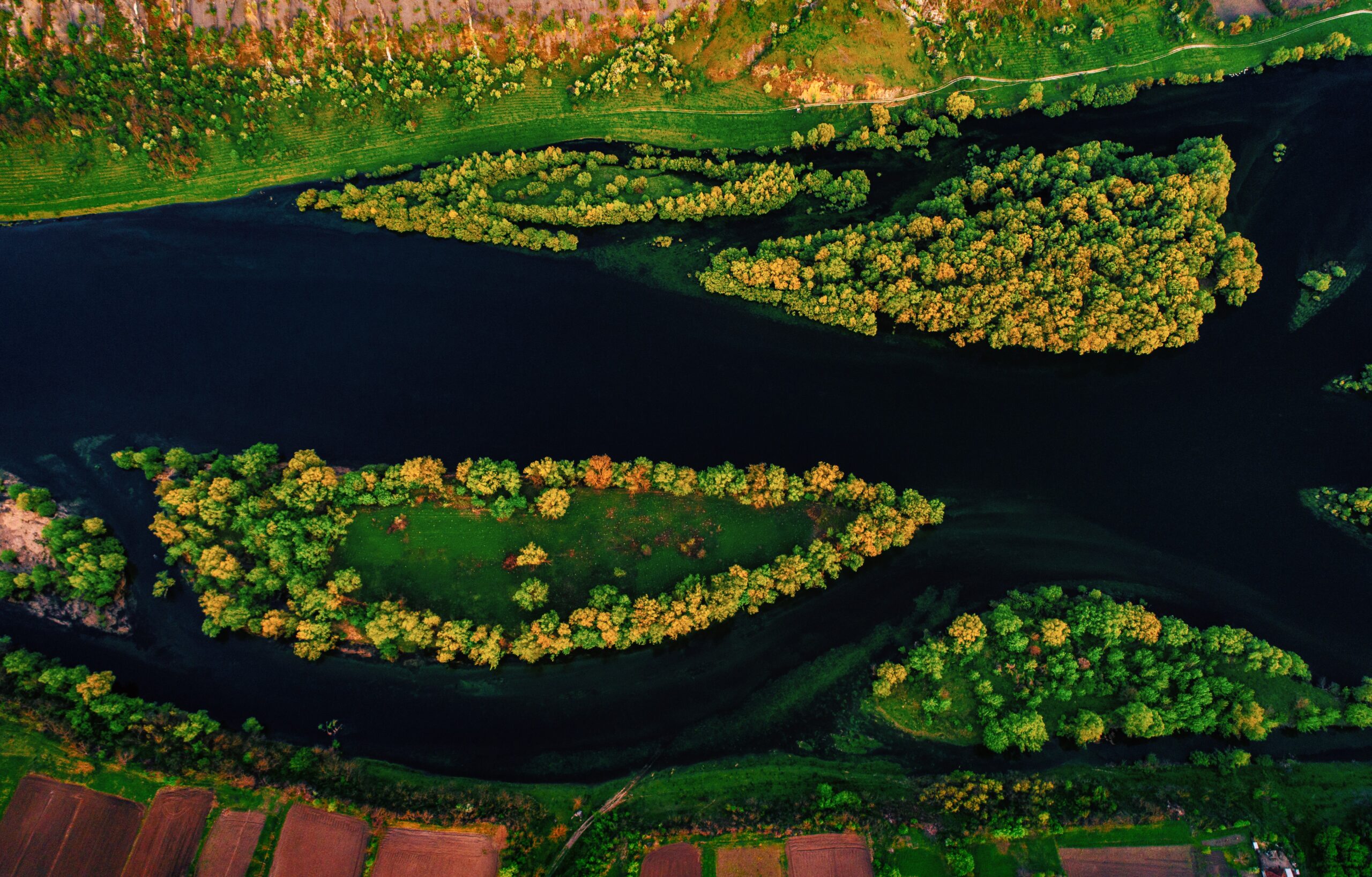
Moldova’s economy has doubled in the last eight years, driven by key sectors like IT, agribusiness, and electronics. The country ranks among the top 20 global exporters of plums, walnuts, cherries, apricots, rapeseed, apples, and grapes, and is also among the top 20 global exporters of wine, hosting the largest wine collection in the world according to the Guinness Book of Records, and ranking as the 6th largest global exporter of Vermouth. Over the last seven years, the number of IT sector employees has increased more than three times, while IT revenues have grown more than four times, with over 40% of services exported. Moldova is also a leader in internet connectivity, ranking among the top six countries globally for gigabit internet access.

2x Economic Growth
We have doubled our economy in just 8 years, transitioning Moldova to a middle- upper income status.

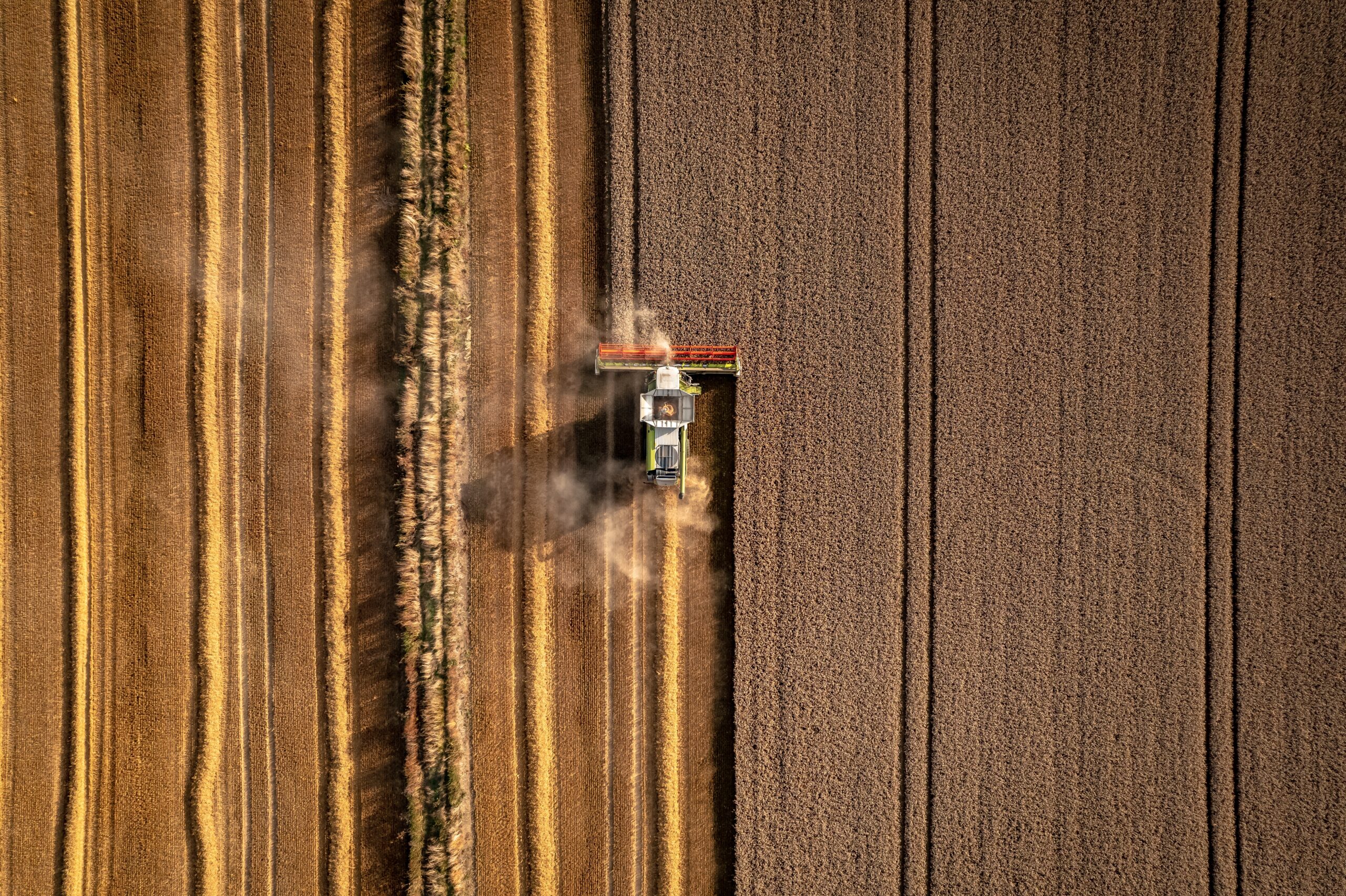
A Leader in Sustainable Agriculture
Moldova’s fertile soil and favorable climate make it a key player in organic food production, supplying high-quality products to European markets.

10% of GDP from IT
Our software and IT sector is growing rapidly, with exports exceeding €350 million in recent years.

Over 6% of its GDP to Education
Investment in education is a priority, with Moldova allocating over 6% of its GDP to
this sector.
A multicultural and multilingual society
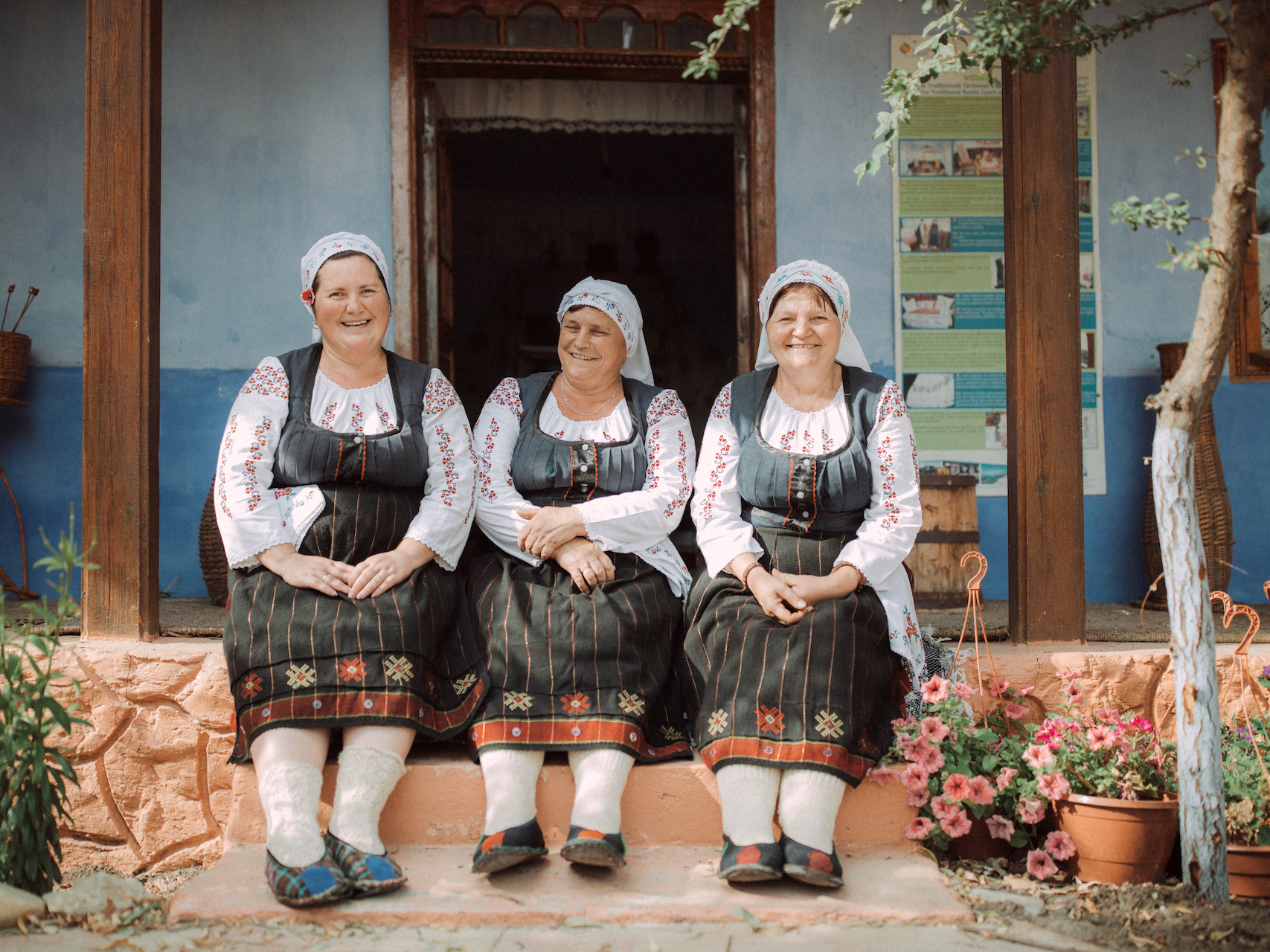
Moldova’s rich heritage is reflected in its multicultural society. The country is home to diverse Romanian, Gagauz, Bulgarian, and Ukrainian communities, coexisting in harmony.
Moldova is a Francophone country and a member of the International Organization of La Francophonie. Most Moldovans are multilingual, speaking at least one foreign language, which reflects the country’s openness and connectivity to the world. Chișinău, the capital, is a cultural hub with landmarks like one of the largest Jewish cemeteries in Europe, a testament to the country’s diverse heritage.

“Salut!”
“Salut!” means “hello” in Romanian.

“Bonjour!”
“Bonjour!” means “hello” in French

“Привіт!”
“Пpивiт!” means “hello” in Ukrainian.

“Merhaba!”
“Merhaba!” means “hello” in Gagauz.

“Здравей!”
“здравей!” means “hello” in Bulgarian.
A leader in equality and innovation
Moldova is a gender equality superpower, ranking 7th in the world, with over 41% of its Parliament made up of women and a re-elected woman president as of 2025.
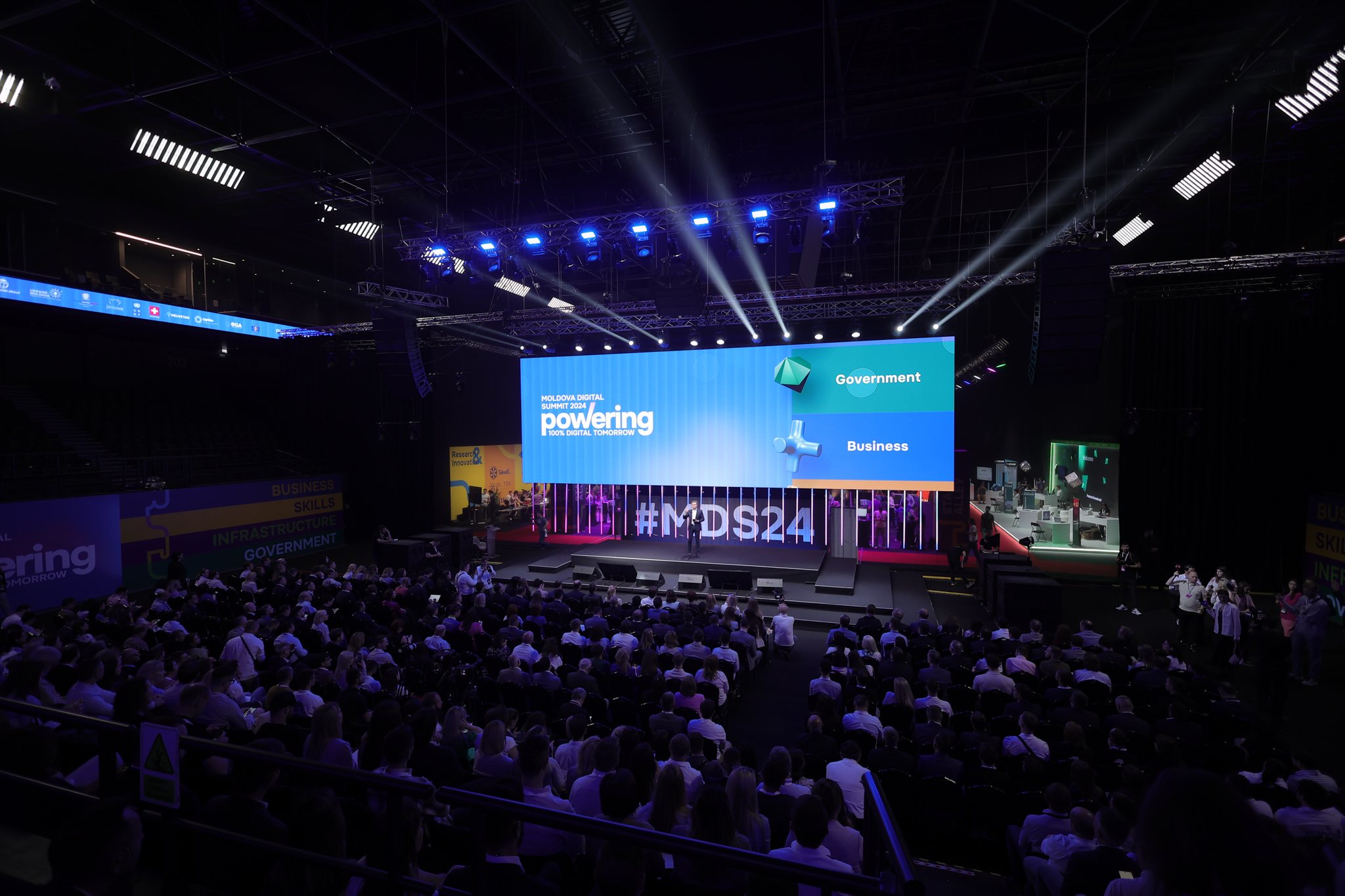
Innovation is at the heart of Moldova’s transformation. Recognized as a fast-growing IT hub in Eastern Europe, Moldova’s IT Park — the first E-park in Europe, launched in 2018 with a unique 7% flat tax — offers one of the most competitive tax regimes on the continent, attracting startups and global tech companies. Moldova ranks 10th in the world for accessibility to gigabit internet, with 98% coverage of fiber optic and 4G networks, and the availability of 5G. Moldova’s first satellite was launched into orbit in August 2022 via a SpaceX Falcon 9 rocket. Additionally, 1.3% of all cars worldwide include components made in Moldova.

Gender Equality
Top 7 in Gender Equality (Global Gender Gap), with over 41% of its Parliament consisting of women and a re-elected woman president as of 2025

Education
Students won 2 gold medals at the International Robotics Olympiad

Innovation
Over 40% of Moldova’s digital services are exported, and the country ranks among global leaders in e-governance

Fast-growing IT hub
Moldova IT Park — Europe’s first E-park — offers a 7% flat tax, supporting 2,000+ tech companies
Standing with Ukraine: A Nation of Solidarity and Support
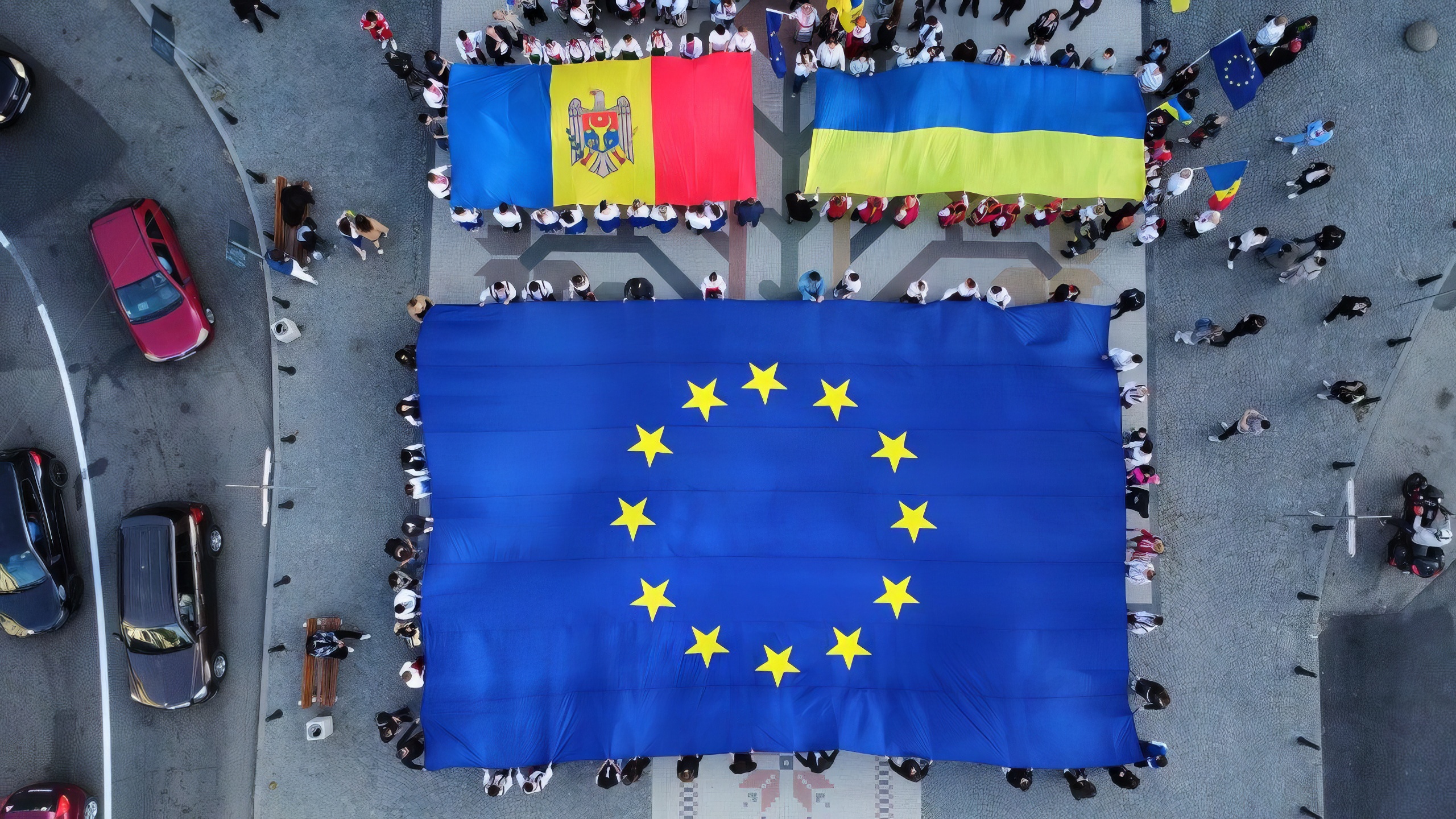
Since Russia’s invasion of Ukraine in 2022, Moldova has shown exceptional solidarity with its neighbor, welcoming over 1,837,000 refugees — one of the highest per capita rates in Europe — with around 120,000 still residing in the country. Moldova has provided shelter, education for over 14,000 Ukrainian children, and financial assistance to displaced families. In the first days of the invasion, over 90% of Ukrainian refugees in Moldova found refuge in private homes, as Moldovans opened their doors in an unprecedented act of hospitality.
Beyond humanitarian efforts, Moldova has reduced its reliance on Russian gas, connected to the European electricity grid, and aligned with EU sanctions against Russia. It has actively condemned Russian aggression at the UN and strengthened its border security and cyber defenses.

1,837,000+ Refugees Welcomed
Since the start of the war, Moldova has welcomed over 1.8 million refugees, offering them safety and support.

A Lasting Commitment
Around 120,000 refugees remain in Moldova today, showing the country’s continued solidarity.

Highest Refugee Density in Europe
Moldova has hosted more Ukrainian refugees per capita (10%), than any other European country. Every tenth person in the Republic of Moldova is Ukrainian.
Standing Against Aggression
Moldova condemned Russia’s invasion at the UN, aligned with EU sanctions, and strengthened defenses against hybrid threats.
A land of record-breaking & award-winning wine
Moldova has one of the richest wine traditions in the world, earning its reputation as a global wine leader. Moldova is more than a country—it’s a nation of winemakers, where centuries-old traditions blend with innovation to create some of the world’s most exceptional wines. With one of the richest wine heritages in Europe, Moldova has earned its reputation as a global wine leader, attracting wine lovers, experts, and tourists from all over the world.
Wine has been at the heart of Moldova’s identity for over 5,000 years, with archaeological evidence of winemaking dating back to 3000 BC. The country’s unique climate, fertile soil, and rolling vineyards provide the perfect conditions for cultivating high-quality grape varieties, many of which are native to Moldova and cannot be found anywhere else in the world.

Guinness World Record Holder
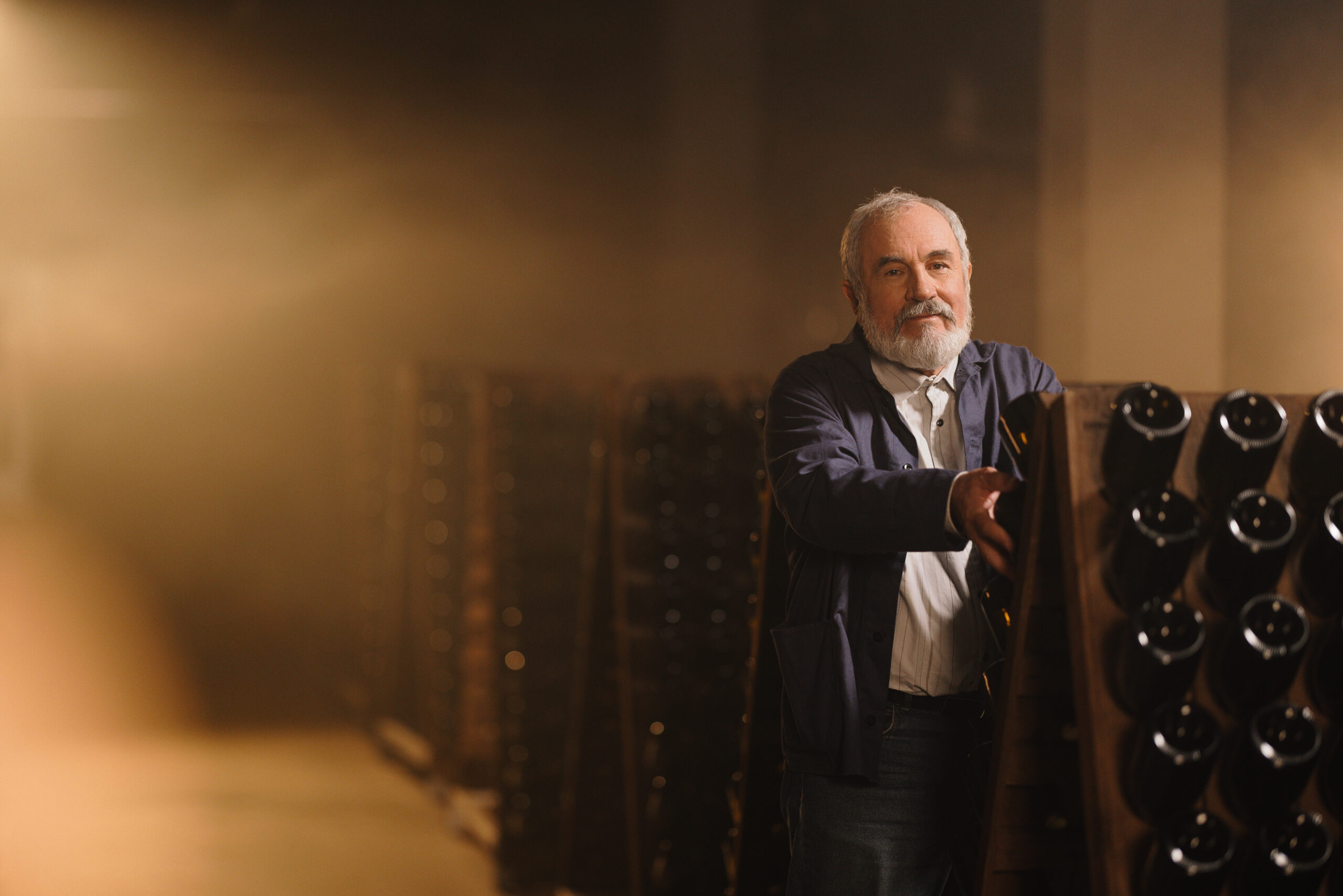
Mileştii Mici houses the largest winecollection in the world, with over 1.5 million bottles stored in underground cellars.

Highest Vineyard Density
Moldova boasts the highest density of vineyards globally, a testament to its deep-rooted winemaking culture.

International Award-Winning Wines
Moldova’s Negre 2017 (Fautor) was named Best Red Wine in the World, while Purcari – Most Awarded in the World, with 333 medals since 2021.

Top 20 Global Wine Producer
Moldova ranks among the world’s top 20 wine exporters, despite its small size.
Democracy Prevails: Moldova’s Stand Against Disinformation
Moldova has long faced propaganda and foreign interference aimed at weakening its democratic path. Russian-linked media, online disinformation, and energy pressure have challenged Moldova’s pro-European direction.
In response, Moldova has taken firm action: blocking propaganda channels, strengthening cooperation with EU partners, diversifying energy sources, and advancing judicial reforms to dismantle foreign-backed influence.
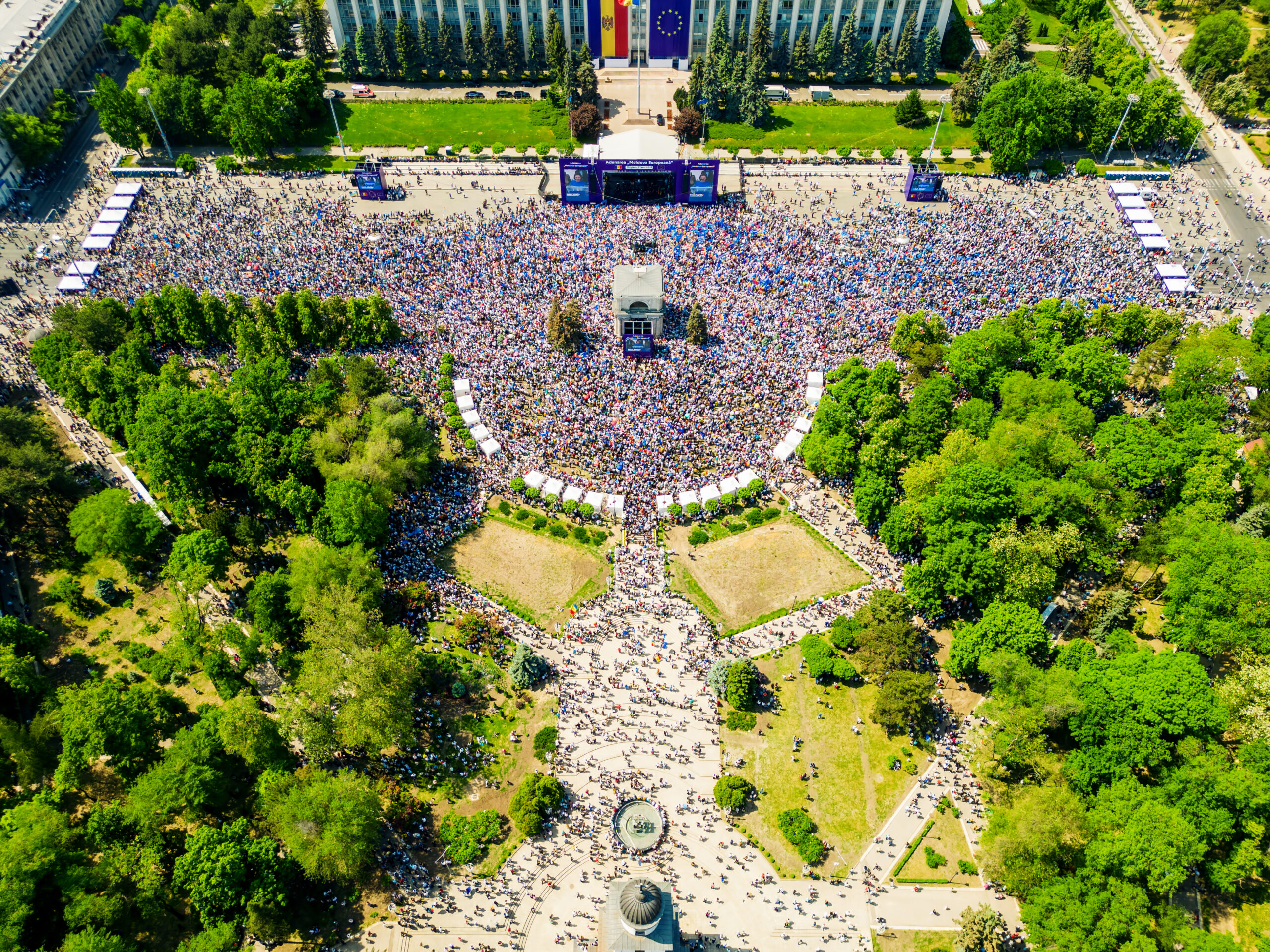
Institutions have also reinforced election security and improved transparency in party financing and media ownership — clear steps toward defending sovereignty and deepening EU integration.

Defending Democracy
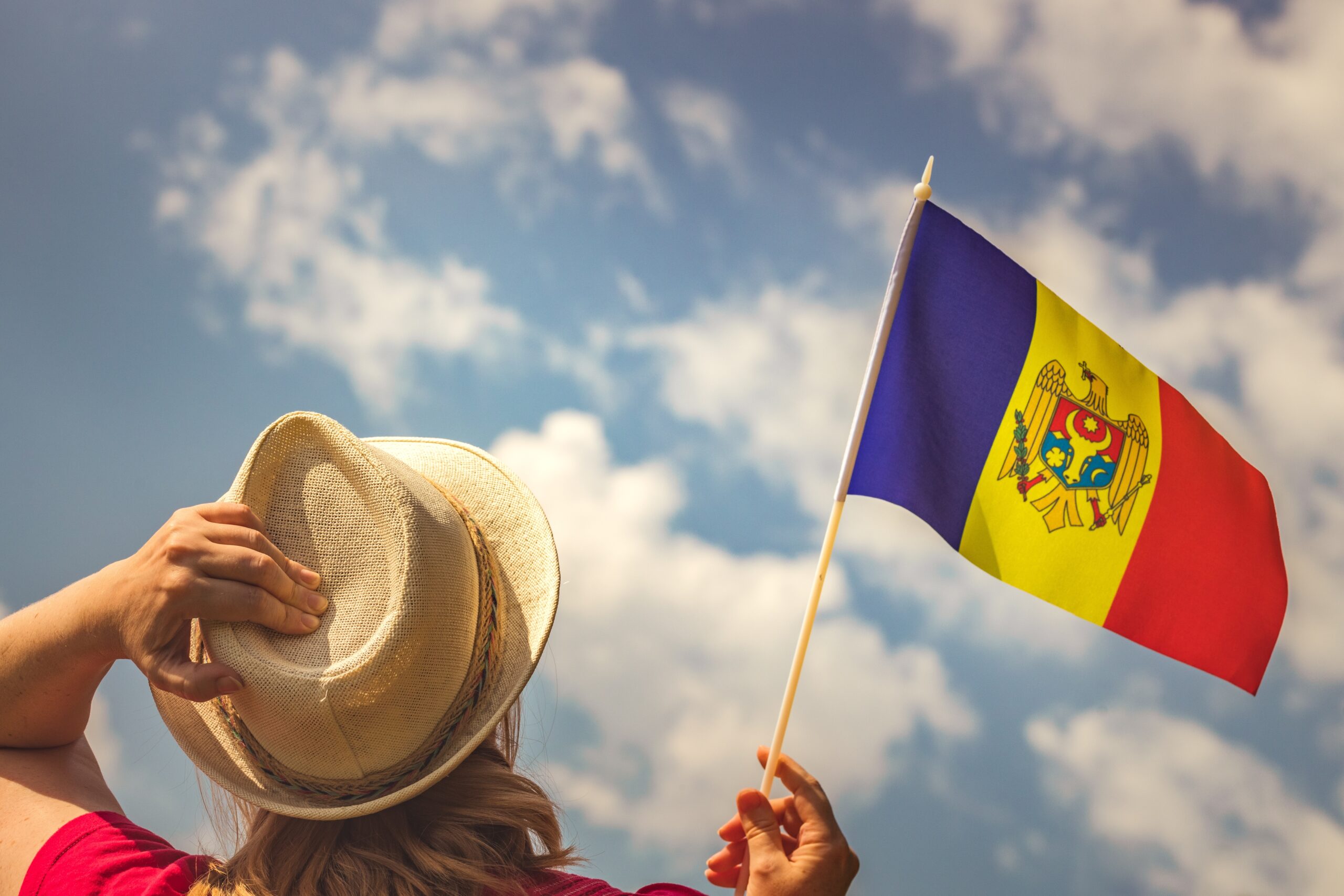
Moldova has blocked Kremlin-backed propaganda channels and strengthened protections against foreign interference in elections.

Energy Independence
By diversifying its energy sources and securing supplies from the EU and Romania, Moldova has reduced its reliance on Russian gas.

Safeguarding Elections
Stricter regulations on party financing and media ownership ensure transparency and protect Moldova’s democratic processes.

Judicial Reforms
Ongoing anti-corruption measures and legal reforms strengthen Moldova’s institutions and dismantle foreign influence networks.
Newsletter
Join Moldova on its journey to the European Union
Stay updated on the latest events, conferences, and collaborative initiatives between Moldova and the European Union. These events highlight the ongoing partnership and dialogue between Moldova and EU institutions.