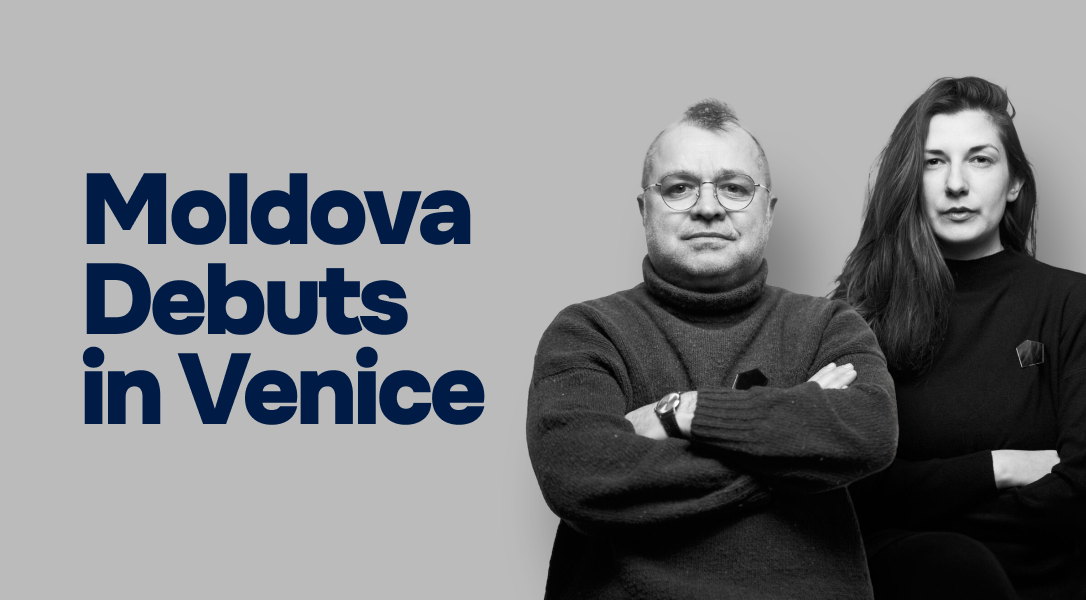
In 2026, La Biennale di Venezia marks a historic moment.
For the first time, the Republic of Moldova presents a national pavilion, entering one of the most influential global platforms for contemporary art.
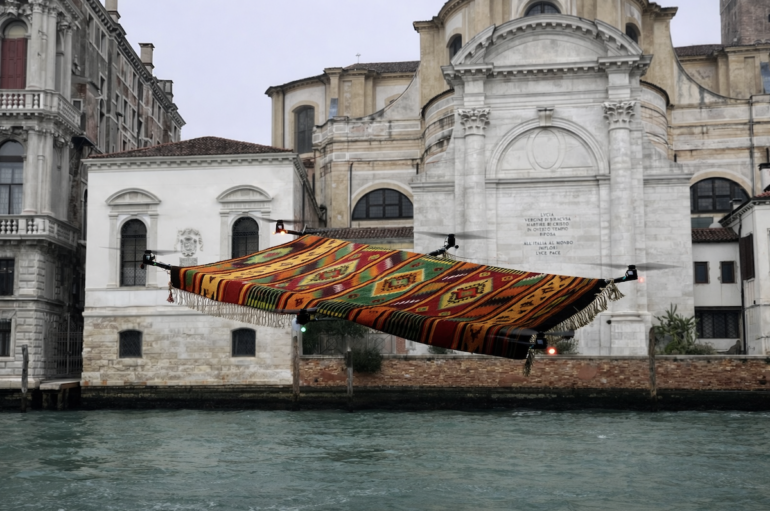
At its center is “On the Thousand and Second Night”, a project by Pavel Braila, developed together with curator Adelina Luft.
This is not just a debut.
It is a carefully constructed narrative about Moldova—told through art, memory, and identity.
Beyond presence: a statement of maturity
For decades, Moldova has been present in Europe politically, economically, and socially.
Venice marks something different.
A cultural affirmation.
Participation at La Biennale is reserved for countries that are ready to engage in complex global conversations—about history, power, identity, and the future.
Moldova’s presence signals exactly that readiness.
Not as a peripheral voice, but as a contributor.
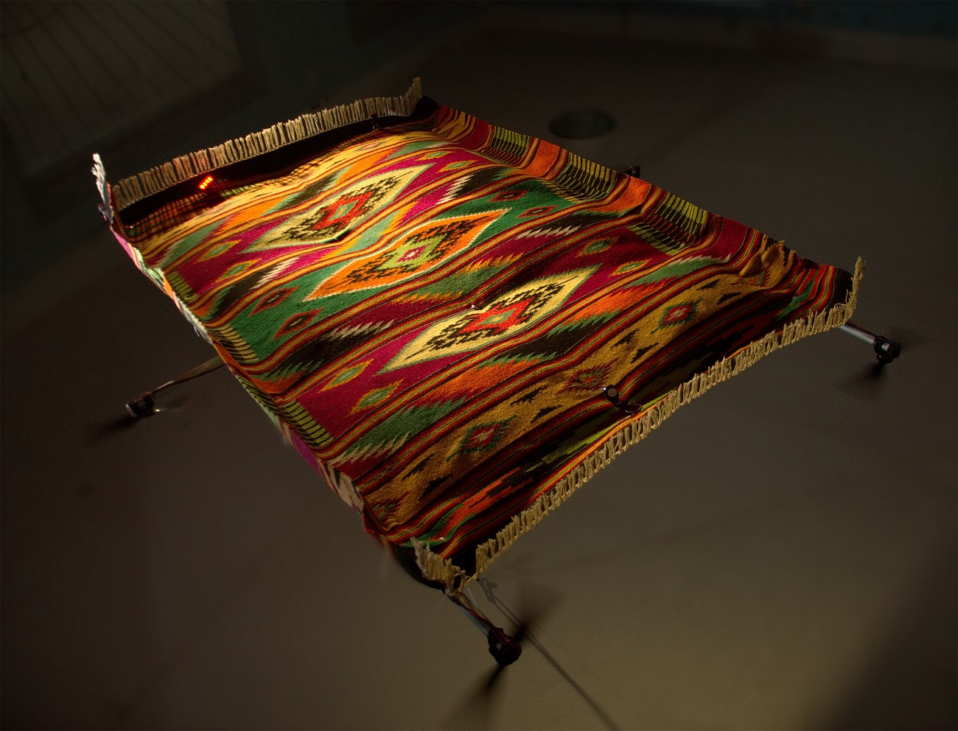
“The Thousand and Second Night”: extending the story
The title itself carries meaning.
It references One Thousand and One Nights, but deliberately moves beyond it.
A continuation. A new chapter.
Braila’s work explores themes of repetition, narrative, and historical layering—how stories are told, retold, and sometimes controlled.
In the Moldovan context, this becomes especially relevant.
A country shaped by overlapping histories. By shifting borders. By competing narratives.
The installation reflects:
- the fragility of memory
- the tension between past and present
- the search for an authentic voice in a complex geopolitical space
This is not a decorative project. It is reflective, sometimes uncomfortable, and deeply intellectual.
Exactly the kind of work that positions Moldova within contemporary European discourse.
A pioneer moment for Moldova
As highlighted by the artists and organizers, Moldova’s participation is seen as a pioneering step.
Not only because it is the first time.
But because it establishes a precedent.
A national cultural infrastructure capable of:
- selecting and supporting contemporary artists
- curating a coherent national narrative
- engaging with international audiences at the highest level
This matters.
Because cultural presence is a form of soft power.
It shapes perception. Builds recognition. Creates relevance.
And Moldova is beginning to use it strategically.
Culture as part of European integration
Moldova’s European path is often discussed in terms of reforms, negotiations, and economic alignment.
But integration also happens through culture.
Through shared references. Through dialogue. Through visibility.
La Biennale becomes a space where Moldova is not explained—but experienced.
Where audiences engage not with policy, but with meaning.
This aligns directly with Moldova’s broader positioning:
- a country that invests in creativity and innovation
- a society that values diversity and expression
- a nation that contributes to Europe not only structurally, but culturally
Between past and future
Moldova’s identity has always existed between worlds.
Between East and West. Between tradition and transformation.
Braila’s work does not resolve this tension.
It embraces it.
And in doing so, it offers something authentic.
Not a simplified narrative. Not a polished image.
But a real one.
A new kind of visibility
Participation at La Biennale changes how Moldova is seen.
From:
- a small country on the EU’s border
To:
- a cultural actor with a voice
This shift matters.
Because perception shapes influence.
And influence shapes opportunities.