Starting 1 January 2026, Moldova will officially join the Roam Like At Home area, allowing Moldovan citizens to use mobile services across the European Union without additional roaming charges. Calls, messages and mobile data will cost the same as at home—just like for EU citizens.
It is a practical, everyday change that brings Moldova closer to Europe in one of the most tangible ways: connectivity.
What Roam Like At Home means in practice
Once the system enters into force, Moldovans travelling in the EU will be able to:
Make and receive calls at domestic tariffs
Use mobile data without extra roaming fees
Stay connected across borders without fear of unexpected bills
For students, entrepreneurs, diaspora members, tourists and professionals, this means freedom of movement backed by digital certainty.
More than convenience: digital integration
Roam Like At Home is not only a consumer benefit—it is a sign of regulatory alignment and trust. Moldova’s inclusion confirms that the country has met the technical, legal and market conditions required to integrate into the EU’s digital single market rules.
It reflects years of reforms in:
Telecommunications regulation
Consumer protection
Market competition and standards alignment
In short, Moldova is playing by European rules—and being recognised for it.
A win for citizens, business and the diaspora
This step strengthens everyday ties between Moldova and the EU:
Moldovan businesses can operate and communicate more easily across borders
The diaspora stays seamlessly connected with home
Young people experience Europe as an accessible, integrated space
Digital connectivity becomes a quiet but powerful driver of European belonging.
Moldova, Europe—connected by default
From 2026, Europe will no longer start at the border when it comes to mobile communication. Moldova’s inclusion in Roam Like At Home shows how European integration translates into real-life benefits—felt not in declarations, but in daily routines.
This is what progress looks like when it reaches people’s pockets, phones and lives.
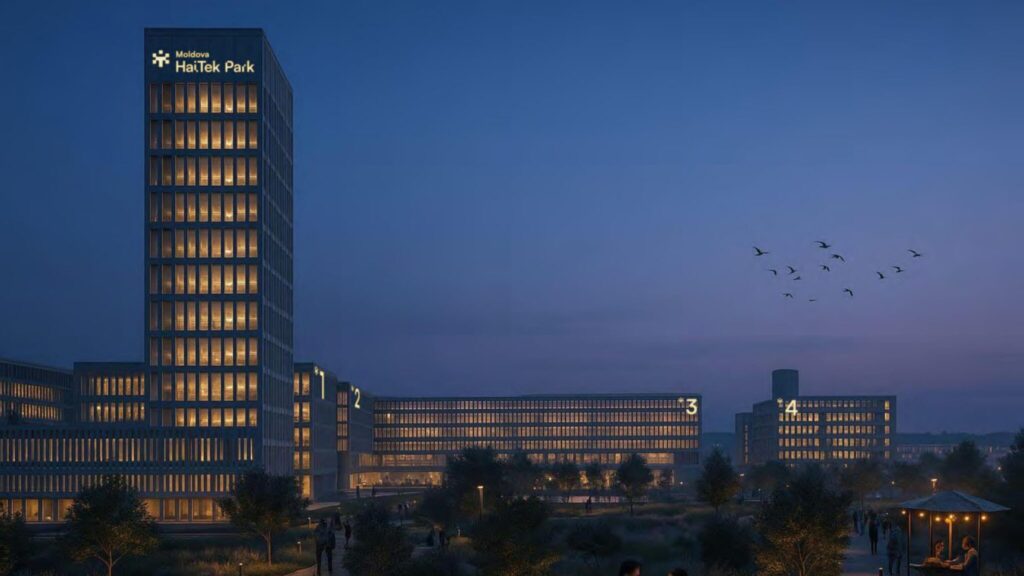
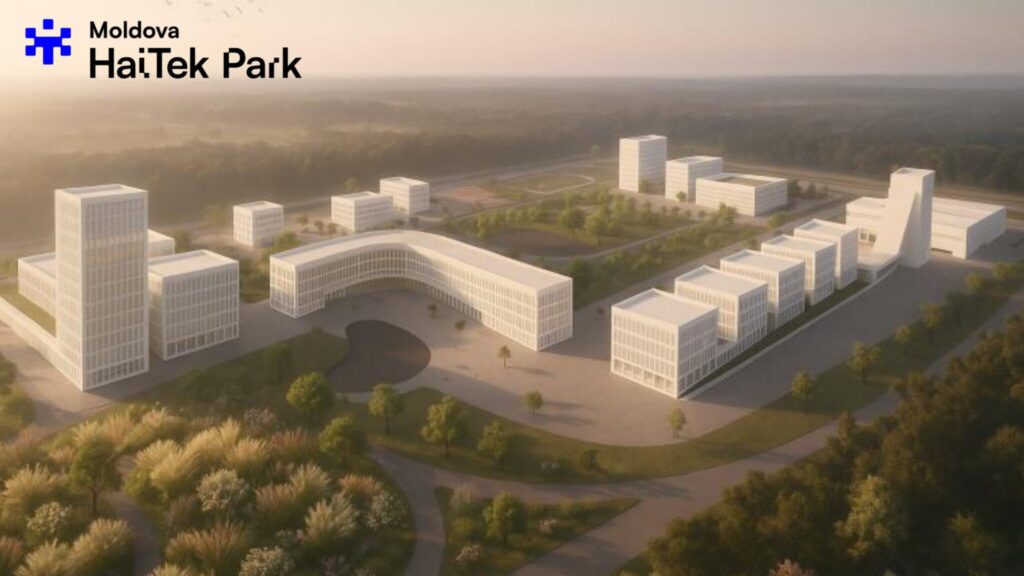
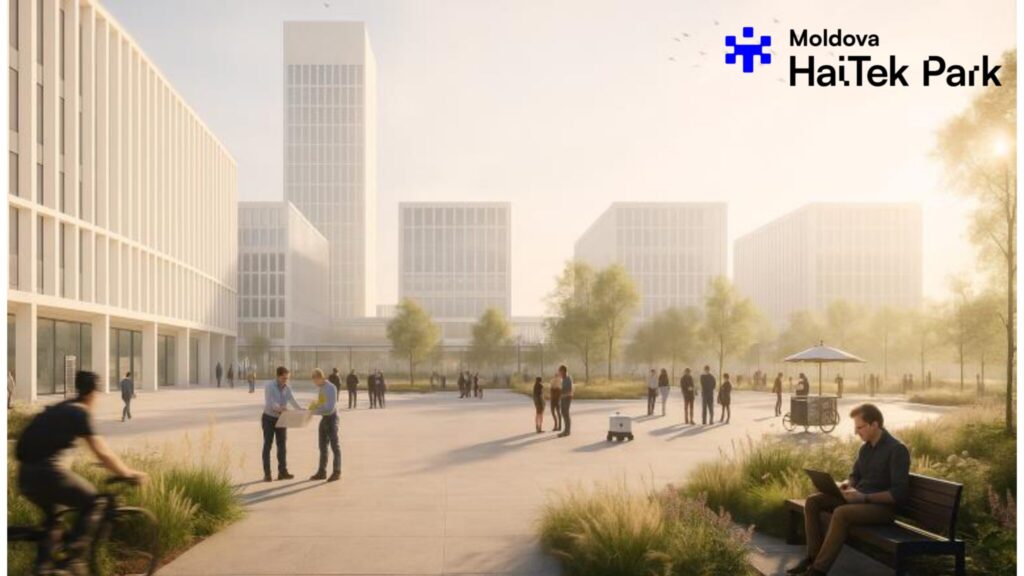
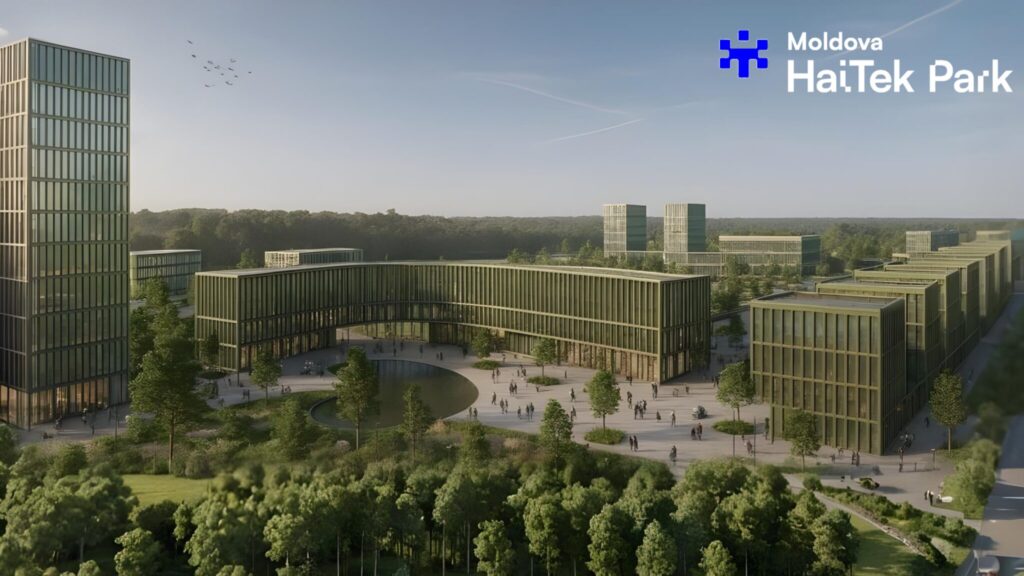
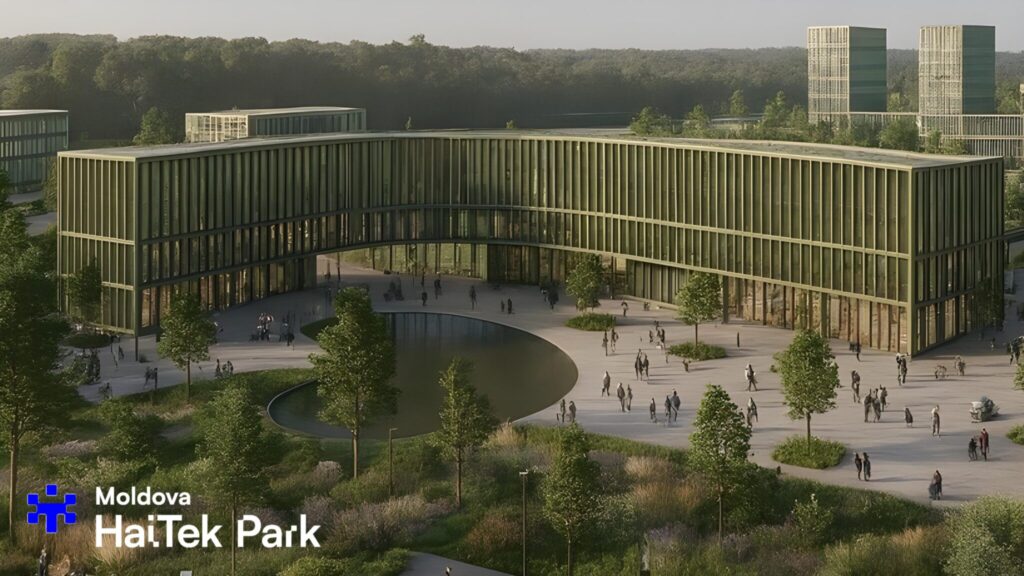
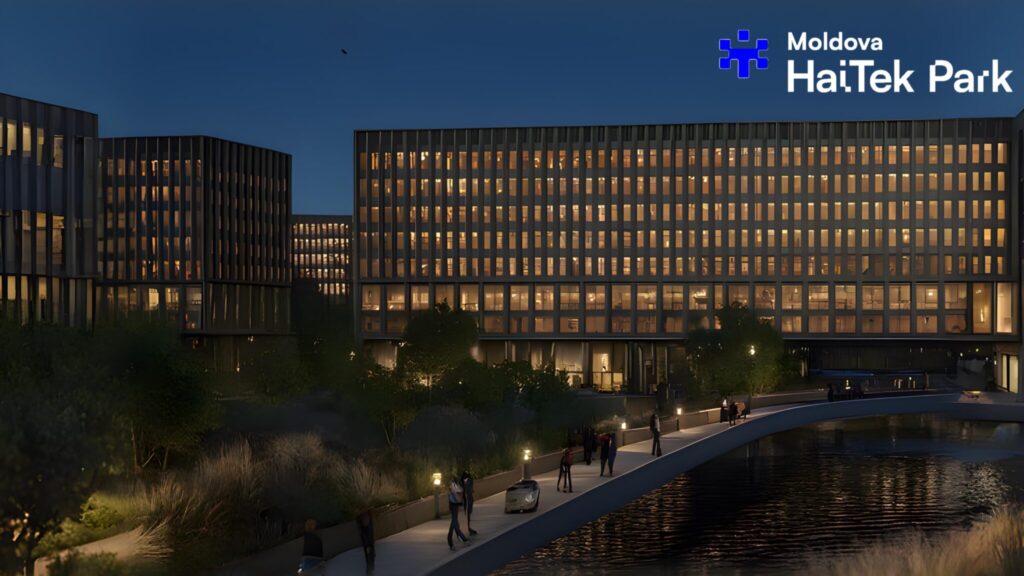
Unveiled by Deputy Prime Minister and Minister of Economic Development and Digitalization Doina Nistor, HaiTek Park is designed around high-value sectors: AI, cybersecurity, data processing, microelectronics, medical research, creative industries and more. The concept blends modern offices, laboratories, university campuses, conference spaces and testbeds — an ecosystem where talent can study, build, and scale without leaving home.
Scale and timeline
€200+ million in direct investment, combining EU Growth Plan support, private capital and development partners;
21,600+ jobs projected once fully operational (from 2030);
€1.28 billion estimated net economic impact over the first two decades;
Construction to start in 2026, with a build-out of about five years.
Parliament has already adopted a special legal regime for the park (10 July), while the government is moving to set up the management company and fast-track enabling decisions — a sign this project has shifted from feasibility to implementation.
Designed for sustainability
HaiTek Park puts energy efficiency and clean mobility at the core: PV rooftops, EV-friendly transport, generous green public spaces, and a campus layout that privileges walking, cycling and short commutes. The intent is to couple low-carbon infrastructure with high-productivity industries — aligning the project with European standards for sustainable development.
Talent engine and partnerships
In partnership with the Technical University of Moldova and the Nicolae Testemițanu State University of Medicine and Pharmacy, the park targets 15,000+ trained specialists over the next decade, matching academic programs with real-world labs and industrial partners. The design work draws on European best practices and is supported by programs such as Innovate Moldova (funded by Sweden), UMAEF, and the UNITH2B architecture studio.
Why it matters
Future-proof jobs. The park focuses growth in sectors with high added value, helping retain young talent and attract skilled returnees.
Stronger resilience. A diversified, innovation-led economy is less exposed to external shocks and better integrated with EU supply chains and standards.
Place branding with substance. HaiTek Park gives Moldova a tangible flagship for its European, sustainable development path — a home for startups, corporates, and research teams to co-create solutions with regional impact.
Key facts (at a glance)
Location: Stăuceni (Chișinău municipality), near National Arena — 50 ha. Moldpres
Investment: ~€200 million; Build-out: ~5 years, start 2026. Moldpresinfotag.md
Jobs: 21,600+ projected; Education: 15,000+ specialists trained in 10 years. Moldpresipn.md
Governance: Special legal regime adopted; management company in formation. infotag.md
Moldova’s ambition is clear: turn Stăuceni into a sustainable innovation district that keeps ideas, investment and opportunity here at home — clean, local, European.
Behind the labels of many luxury and premium European brands lies the skilled work of Moldovan hands. Over 400 companies in Moldova’s apparel sector design, cut, and sew garments that make their way to shop windows in Paris, Milan, Berlin, and beyond.
Thanks to its highly qualified workforce, modern machinery, and a heritage of meticulous craftsmanship, Moldova has become an essential partner for global fashion players seeking high-quality, ethical, and fast production. The country’s strategic location — close to European capitals — means Moldovan manufacturers can deliver on short lead times, ensuring flexibility for fashion cycles.
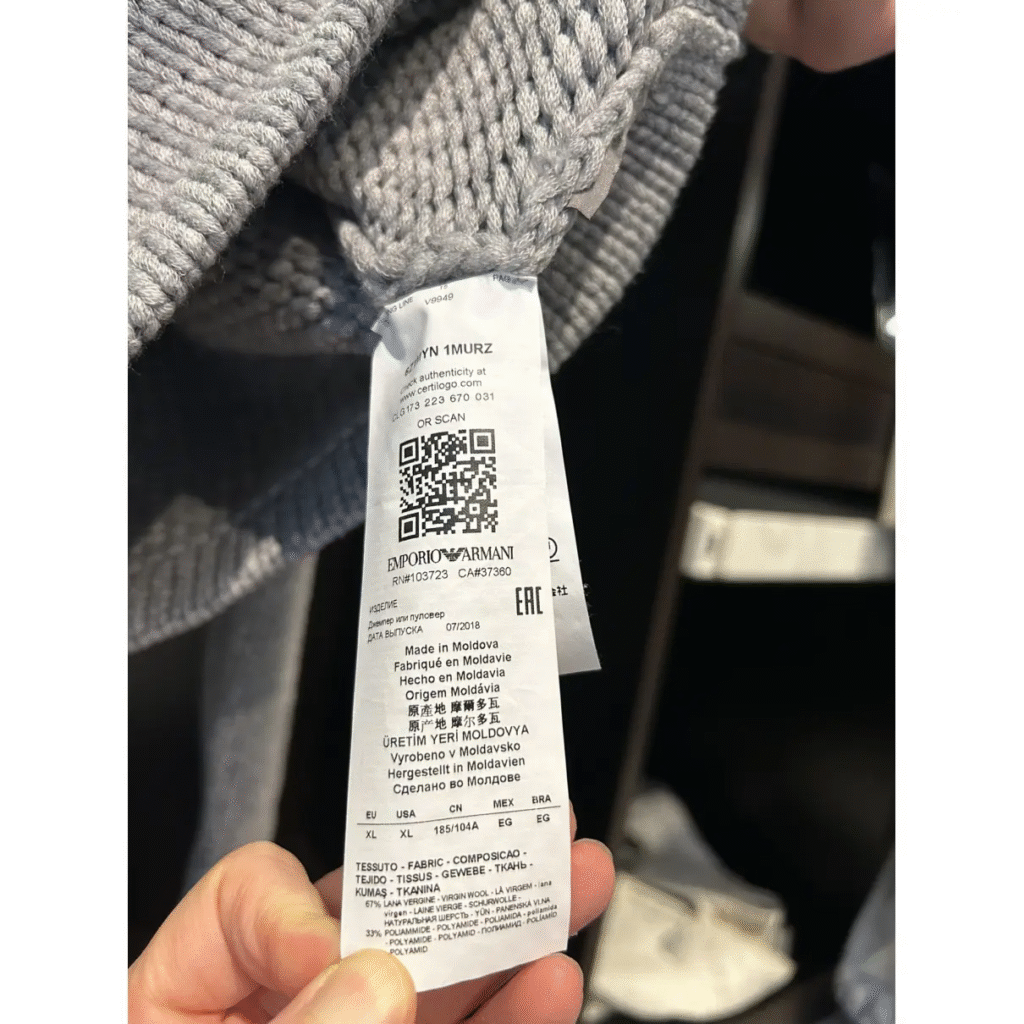
High-end brands like Moncler, Emporio Armani, Max Mara, and Luisa Spagnoli manufacture their clothing in Moldova. While Moldovan grandmothers sew for these global labels, a new generation of young Moldovans is building their own brands—and they already have plenty to show for it.
Where tradition meets modern innovation
The Moldovan textile sector draws on centuries of craft traditions, blending them with cutting-edge technology. Local factories have invested in digital design systems, energy-efficient equipment, and processes to reduce waste — aligning with Europe’s sustainability standards.
Competitive production costs
Proven commitment to workplace standards and certifications
High flexibility for smaller production runs
Strong partnerships through EU trade agreements
These factors place Moldova ahead of many global competitors, building a reputation for consistency and quality that appeals to Europe’s top designers.
From Chișinău to American talk shows
Hollywood is wearing Moldova! From Katy Perry to Drew Barrymore’s co-host, Moldovan fashion is making its mark.
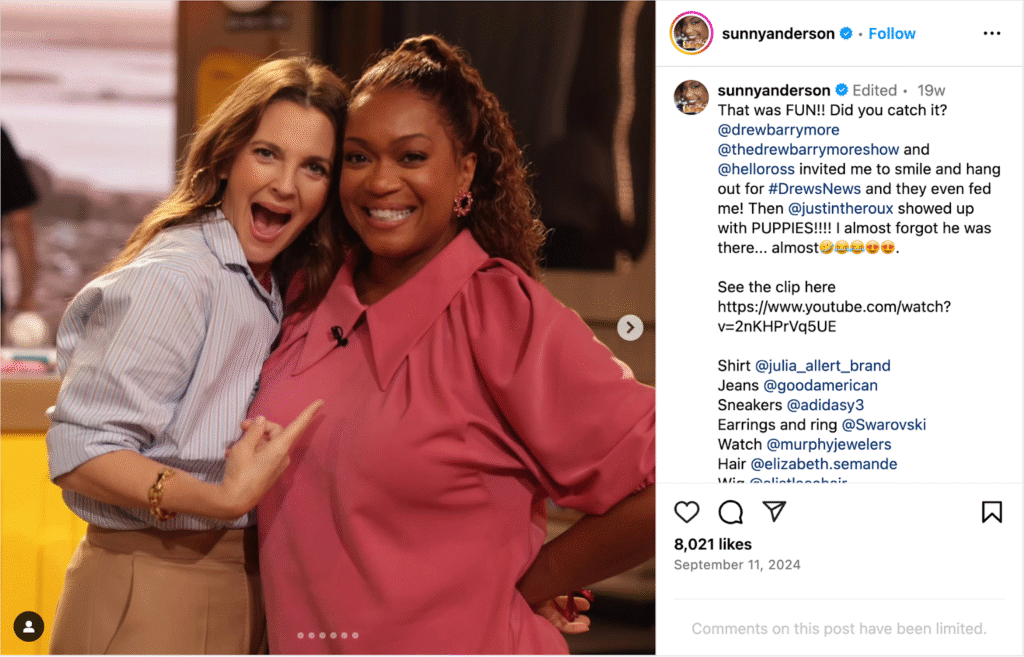
“I simply LOVE this top and trousers to go with it!!” exclaimed Sunny Anderson, co-host of Drew Barrymore’s TV show, on her Instagram page. She had just appeared before two and a half million American viewers wearing a sharp pink blouse with puffy sleeves and a pointy collar. She stood out, and people noticed!
That blouse was made on the other side of the ocean, in Moldova. Julia Allert’s brand is bold, unconventional, and unapologetic—a bit like the architecture in her city, Chișinău. In recent years, many more Moldovan designers have burst onto the scene, as if a lid had been lifted off a boiling pot. It’s as though Moldova has been waiting to show the world what it’s capable of.
This movement has deep roots. Fashion manufacturing has long been a significant, if understated, sector in Moldova. But now, it’s stepping into the spotlight.
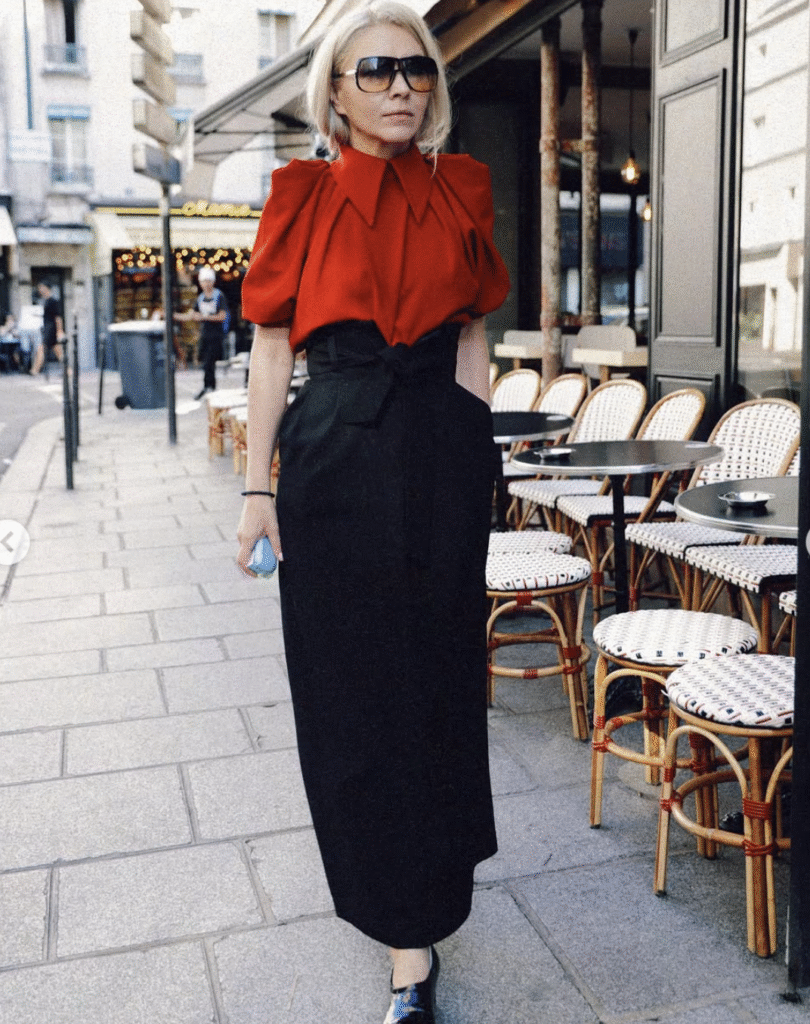
Julia Allert walking the streets of Paris. Photo credit: Private collection
“If I did it, then anyone can!” Julia Allert laughs during a video call. She launched her fashion brand during the pandemic with “a crazy idea, two sewing machines, and two seamstresses” in a small atelier in Moldova’s capital. Just a few years later, her business is thriving. “We sell 17,000 pieces a year,” she shares. “Ninety-five per cent of that is shipped abroad to more than 50 countries.”
Allert believes Moldovan fashion is unique. “We are incomparable!” she says. She credits this distinctiveness to a mix of influences from the East, West, and even Asia, thanks to Moldova’s proximity to Turkey. “We see the world in these colors!”
From Post-War Clothing to High Fashion
The roots of Moldova’s fashion industry go back to Soviet times. After World War II devastated the region, Soviet leaders established clothing factories in Moldova to supply the entire union. Moldovans, already skilled in knitting and sewing, were tasked with keeping the rest of the Soviet Union warm.
An impressive industry grew out of this initiative. At first, factories produced simple, durable clothing. Over time, more diverse styles emerged—suits for men, dresses for women. By the late Soviet era, 80% of Moldova’s textile production was being exported to other parts of the union, bringing valuable know-how and equipment to the country. Today’s young designers are building on that legacy.
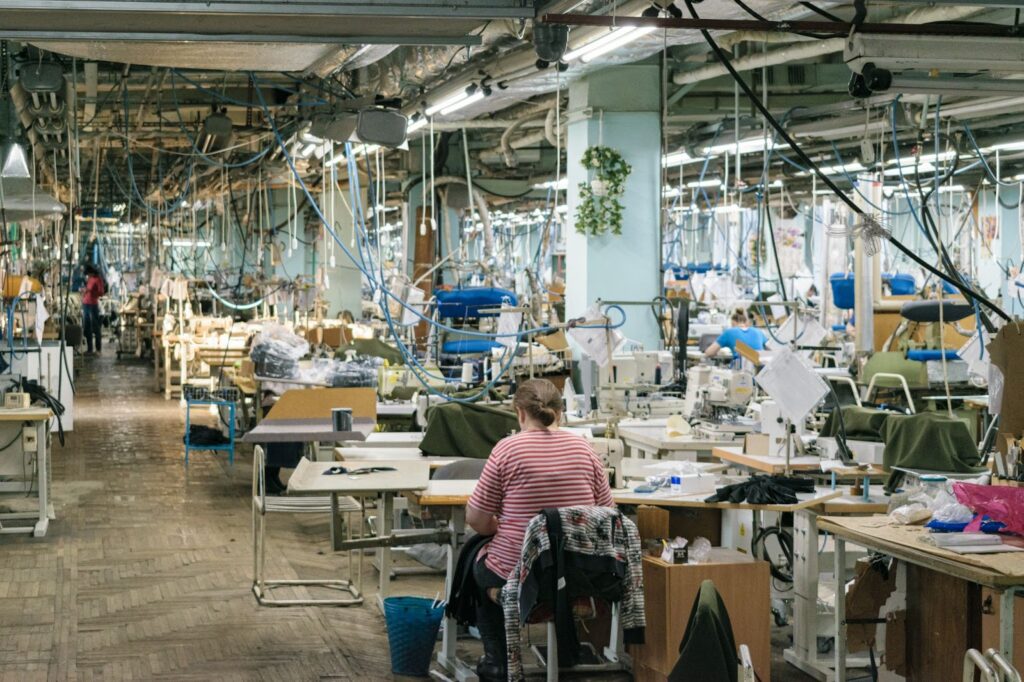
“Ionel” started off as a post-war Soviet factory but now has its own brand, manufactures for big European fashion brands, and supports local fashion designers. Photo credit: Iurie Gandrabura
“Made in Moldova”: Emporio Armani clothing made in Moldova. Photo credit: Marina Lapusneanu
Ionel, the country’s oldest factory, opened in 1945 and is still operating today. While the factory has its own brand, it also manufactures clothing for world-class names like Moncler.
Located behind Chișinău’s central market, the five-story factory buzzes with activity. Rows of seamstresses work quietly, cutting, sewing, and stamping buttons. Stacks of fabric and finished garments fill the space.
“All this goes to Germany,” says Inga Gavrilița, head of engineering at Ionel, pointing to dozens of trousers hanging neatly on racks. The factory also produces for French and Italian brands. Collaborations with these renowned labels helped Ionel survive the chaotic early 1990s after the Soviet Union collapsed, explains director Tamara Luchian.
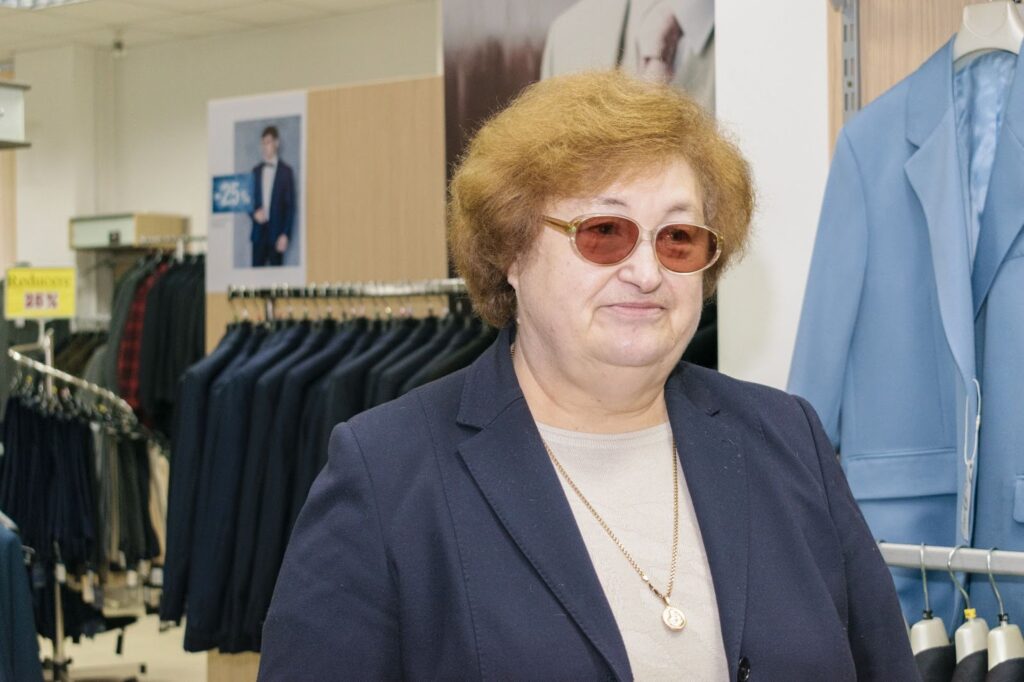
Luchian has been with Ionel for 52 years, starting as a seamstress and working her way up to director. “If I didn’t love my job, I wouldn’t have lasted this long,” she says. “I grew up in the countryside, where my parents taught me the value of hard work.” She hopes all of Europe will recognize Ionel and the hardworking women behind its success.
Tamara Luchian, a director of the oldest clothing factory, Ionel, is always keeping an eye out for the newest trends. Photo credit: Iurie Gandrabura
A Kardashian wearing Moldovan boots
Another rising Moldovan fashion star is Fidan Novruzova, a semi-finalist for the prestigious LVMH Prize for emerging designers—the highest honor a Moldovan designer has received to date.
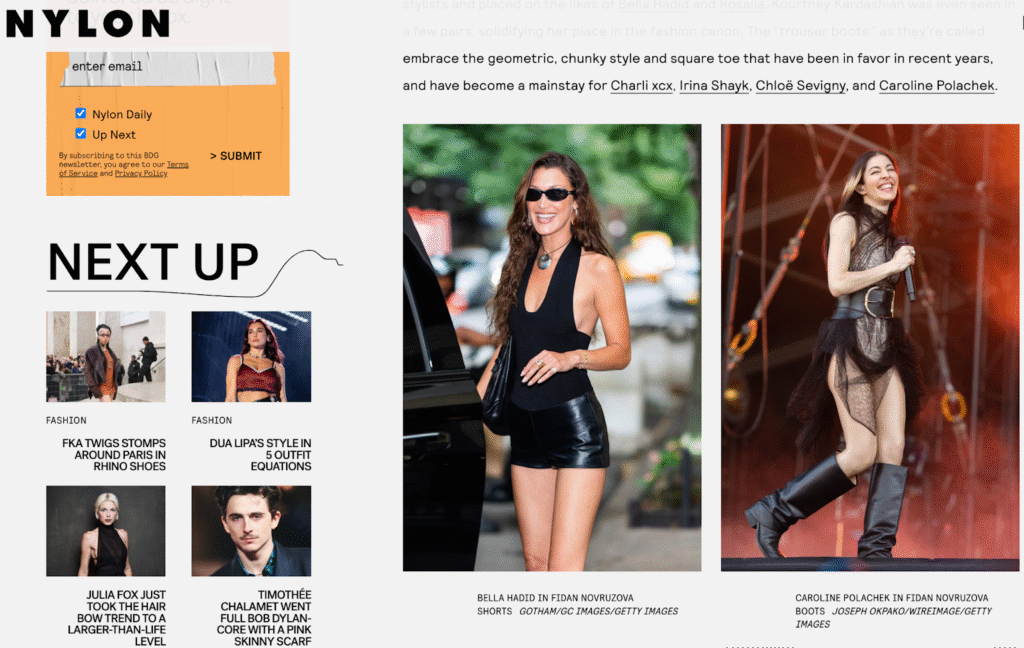
Born and raised in Moldova with Azerbaijani roots, Novruzova is best known for her rough, square-toed boots that add height and effortless style. Her creations have been worn by celebrities like Katy Perry, Bella Hadid, Kourtney Kardashian, and Chloë Sevigny.
The fashion world has embraced her distinctive aesthetic. Nylon magazine described her designs as “familiar, yet slightly removed from the norm, with an oddity that resonates with fashion-forward women.”
In 11th grade, Novruzova decided to pursue a career in fashion. “I wasn’t very good at it, nor did I know much about it,” she laughs. “But I was very driven!”
Her secret? A “healthy delusion” that drives her forward, balanced by a backup plan that keeps her grounded. Starting her business in Moldova gave her a unique edge. “If I’d started in Paris or London, I don’t think I could have set it all up. In Moldova, I can easily manufacture my clothing, thanks to the big factories like Ionel.”
Japanese favorite brand
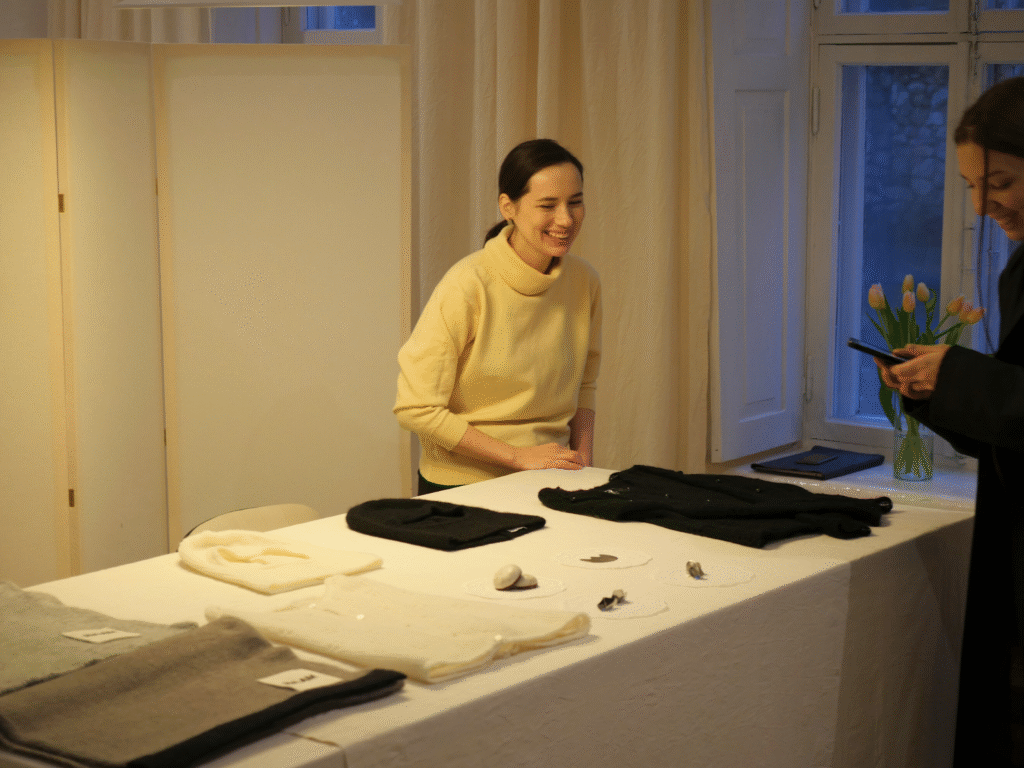
In an old building in Chișinău, the small fashion studio of OK Kino is creating waves. A Japanese fashion journalist, Elie Inoue, praised the brand in WWD Japan, describing its designs as “minimalist and wearable, with a high level of pattern technology and a neutral aesthetic.”
The studio is run by partners Darya Golneva and Denis Caunov, who often work with silk. After living in Italy, Darya returned to Moldova to be with Denis. Together, they secured government funding to purchase basic equipment and launched their first runway collection in Georgia last year.
Their pieces, described by Darya as “a bit avant-garde but wearable,” are versatile enough for both daily wear and festive events with the right accessories.
It was Darya Golneva’s dream to have a small studio in an old building. Photo credit: Marian Männi
“Childhood is a big influence for us,” she explains. “In Moldova, there’s so much folk inspiration to draw from.” Starting their business in Moldova allowed them to avoid the bureaucratic red tape they might have faced elsewhere.
Building Moldova’s fashion future
Today, Moldova’s apparel exports reach around 80% of EU markets, thanks to free trade agreements, modern factories, and a highly skilled workforce. International partnerships, including USAID support, have helped train designers and connect them with global buyers.
Moldovan brands like Georgette Fashion House, Cristina Săvulescu, and many more are building their own voices, shifting Moldova from a subcontractor to a genuine creator of new styles.
From Chișinău’s busy sewing floors to Paris catwalks, Moldova’s fashion story is one of resilience, creativity, and pride — and it is just getting started.
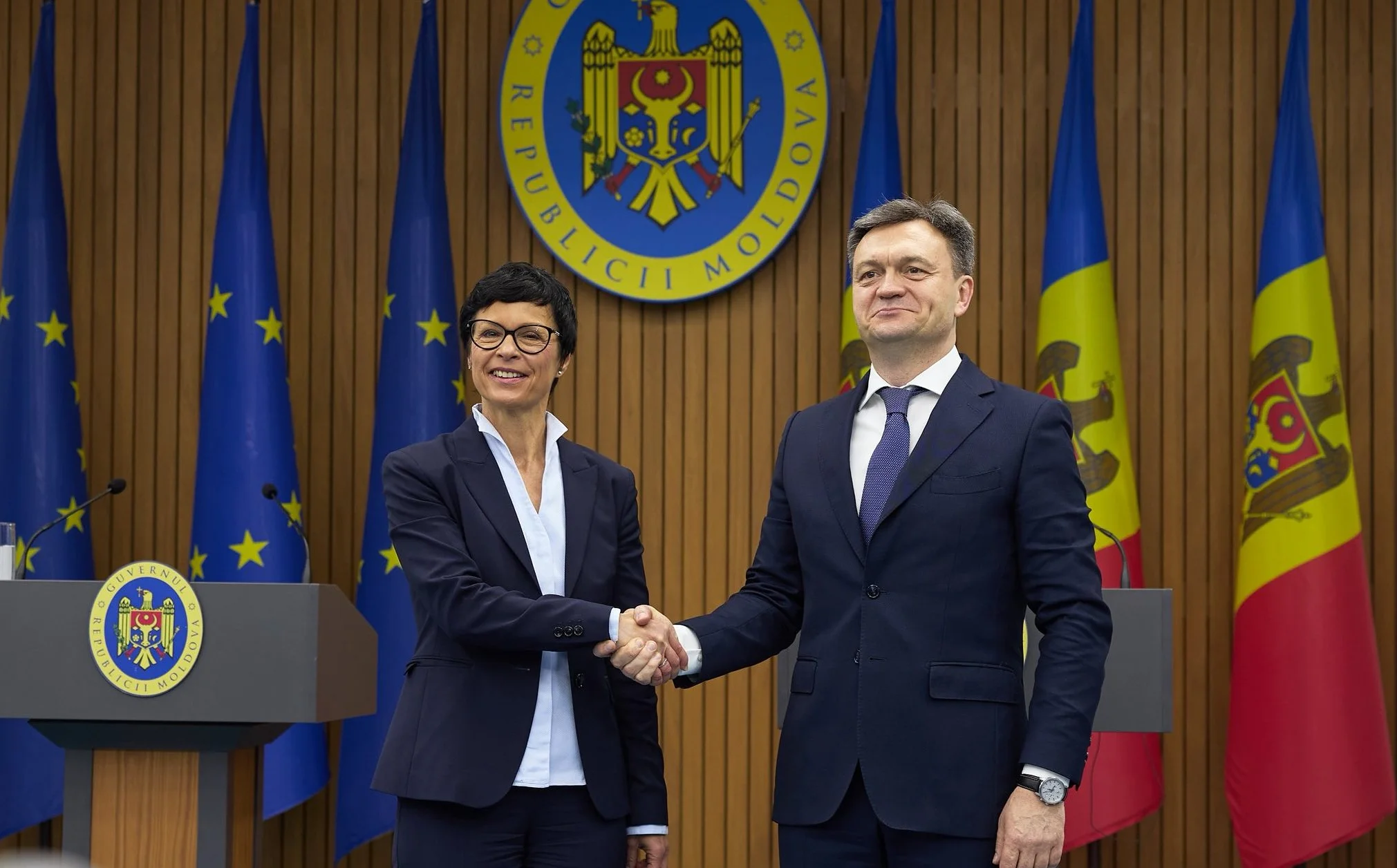
In Chișinău, European Commissioner for Enlargement Marta Kos and Moldovan Prime Minister Dorin Recean signed the landmark agreement, witnessed by President Maia Sandu. The signing coincided with Europe Day celebrations, sending a powerful signal of Moldova’s growing place in the European family.
“Could there be a better time and place to sign our Growth Plan than on Europe Day in Chișinău?” — Marta Kos, European Commissioner for Enlargement
The Reform and Growth Facility will deliver €1.9 billion in support for Moldova’s Reform Agenda — a comprehensive program to modernise the economy, build stronger institutions, and prepare Moldova for integration into the EU single market.
Transformative reforms for a resilient future
The plan will fund priority investments across all vital sectors driving Moldova’s growth and resilience. Funding will be disbursed twice a year, based on Moldova’s reform progress, verified by the European Commission.
Prime Minister Dorin Recean described the signing as “a historic step” that will deliver “unprecedented EU funding” to modernise Moldova’s institutions and strengthen its economy for the benefit of all Moldovans.
Moldova’s ambition meets Europe’s vision
This milestone goes beyond financial support — it represents shared values, mutual trust, and Moldova’s determination to build its European future. With reforms in motion, the EU stands ready to back Moldova every step of the way.
Moldova’s exports are powered by three key sectors: agriculture, ICT, and automotive components. In 2022, the agricultural sector alone generated about $2.1 billion, with plant cultivation making up two-thirds of this value. Moldovan producers have invested in higher standards, technology, and sustainability to compete on the European market.
The ICT industry continues to grow, thanks to a talented workforce and competitive services. In 2023, Moldova’s ICT exports reached $250 million, reflecting strong global demand. Moldova’s emerging automotive parts sector is also expanding, supplying European manufacturers with reliable components.
Numbers confirm a European direction
In 2023, Moldova’s total exports reached approximately $4.2 billion, a modern record. Europe remains Moldova’s strongest trade partner, with the following top destinations:
Romania: 35% of exports
Ukraine: 14.7%
Italy: 6.4%
Germany: 5.5%
Compared to 2022, Moldova has increased its European market share, supported by free trade agreements like the DCFTA. This gives Moldovan businesses access to more than 450 million EU consumers.
Beyond wine and food
Agriculture, especially wine, fresh fruit, and cereals, still leads the way. Moldovan wine exports surpassed $200 million in 2023. But new products are gaining ground:
Textiles and apparel exports reached $320 million
Furniture exports topped $100 million
Looking ahead
Moldova’s trade ties with Europe are more than just numbers — they reflect trust, quality, and a shared future. By investing in modern production and higher standards, Moldova is proving that it is ready to grow as part of the European family.