
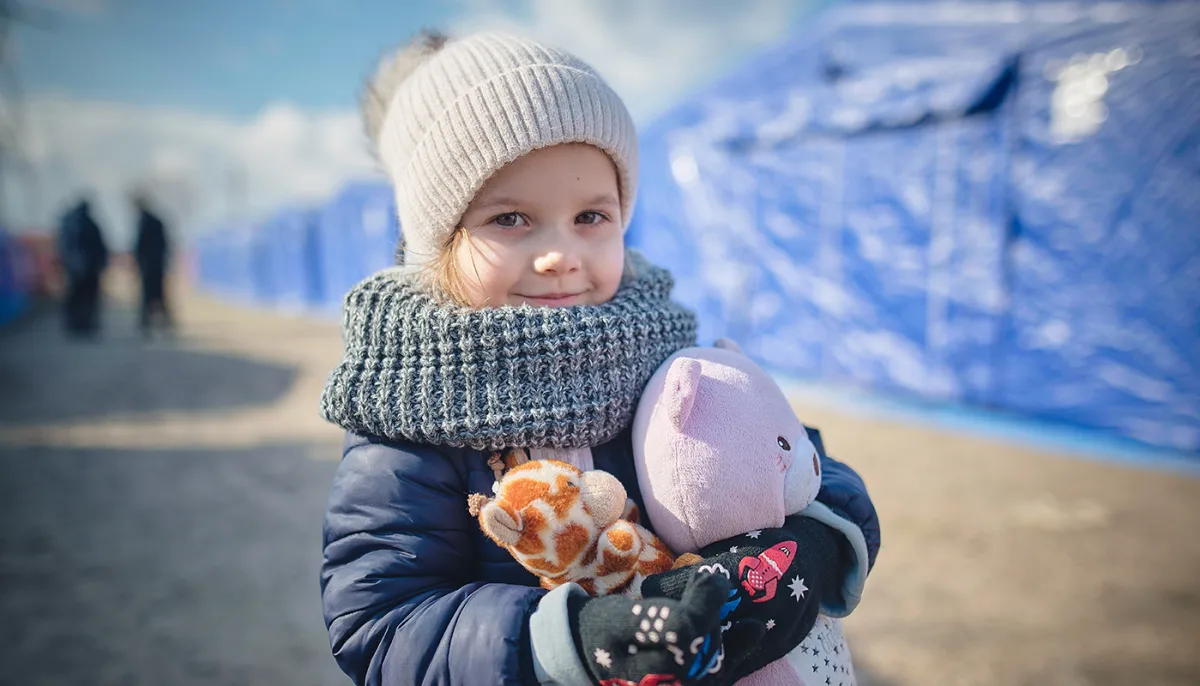
When the war crossed our border in 2022, Moldova chose people first. Neighbours opened doors, volunteers drove through the night, teachers prepared spare desks, and local authorities set up support lines before the ink was dry on emergency decrees. That instinct became our operating model.
Today, on World Humanitarian Day, we honour everyone who made that possible—families who hosted strangers, frontline workers, civil society, the diaspora, and international partners. We also recognise the Ukrainian community that now calls Moldova home and contributes to our shared future.
What solidarity looks like in practice
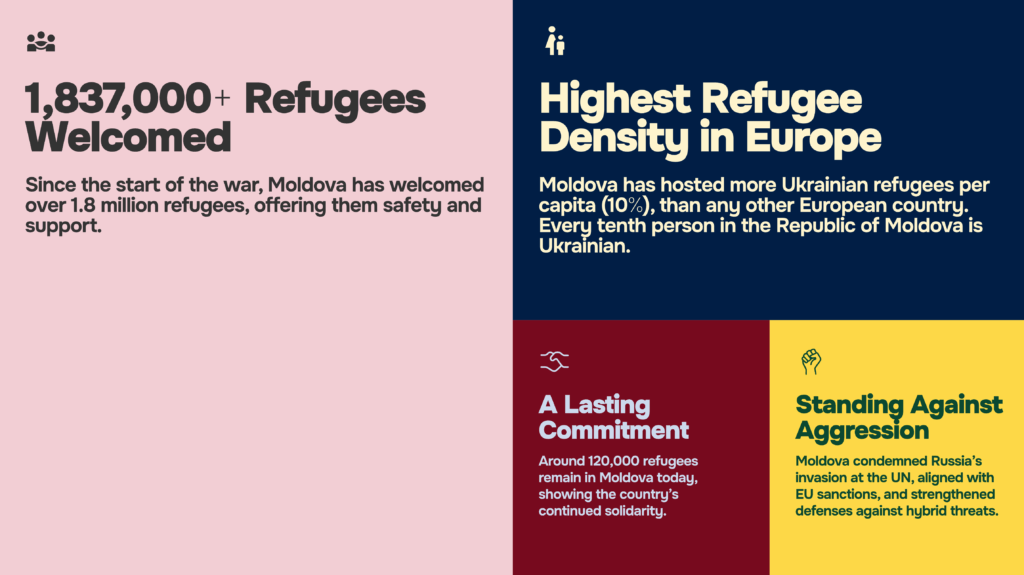
- 1,837,000+ people from Ukraine have crossed into Moldova since 2022, receiving safety and support.
- Around 120,000 remain in the country today.
- At the peak, Moldova hosted the highest per-capita share of Ukrainian refugees in Europe—about 10% of our population.
- In the first days of the invasion, 90% of arrivals slept in private homes, a spontaneous network of hospitality that became a national response.
- 14,000+ Ukrainian children are enrolled in Moldovan schools, learning in safety and finding normality.
These numbers tell a story of scale. The people behind them tell a story of character.
From hospitality to inclusion
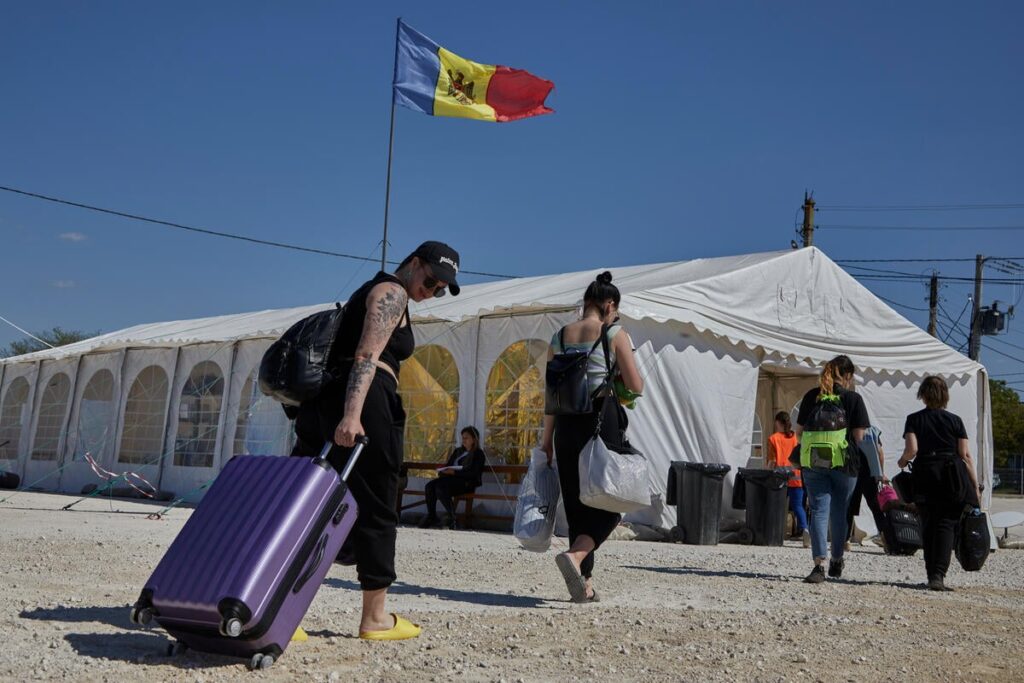
Emergency help is only the first step. With partners, Moldova expanded access to education, healthcare, legal support, and livelihoods for those who stayed. Schools adapted curricula and language support; municipalities worked with NGOs to open community centres; universities offered places; businesses created jobs. Inclusion is how solidarity becomes stability.
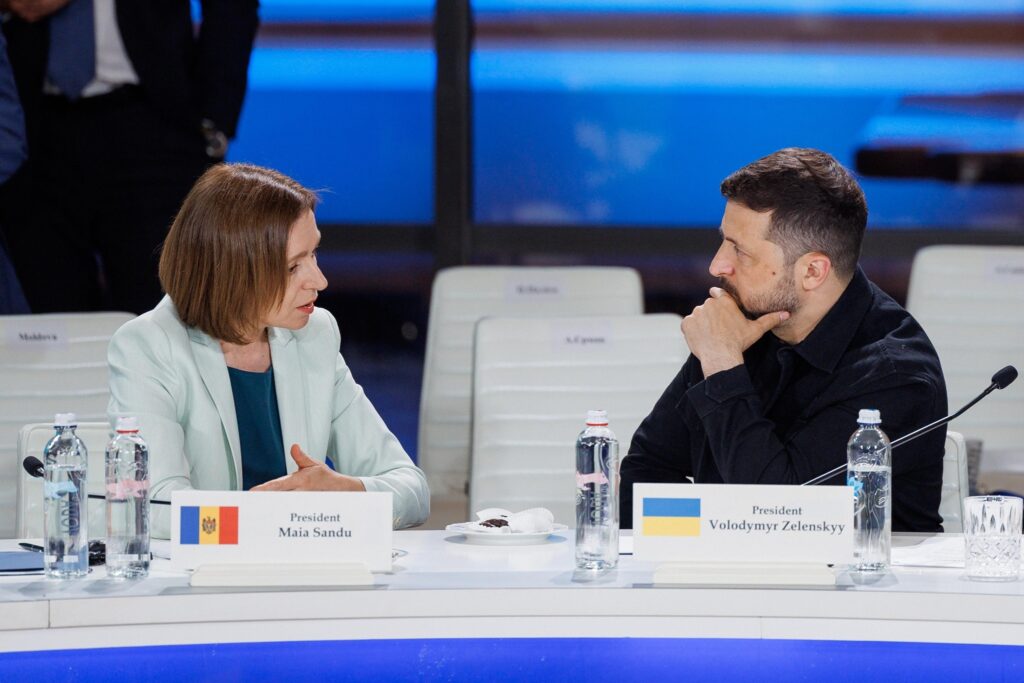
“Thank you, all the people of Moldova for hosting our refugee people since the first days of this large-scale war. We will never forget this.” — President Volodymyr Zelensky, during his visit to Chișinău.
A European choice
Moldova condemned Russia’s invasion at the UN, aligned with EU sanctions, and strengthened our defences against hybrid threats. In the same meeting, President Maia Sandu underscored Moldova’s support for Ukraine’s sovereignty and their shared European future—an affirmation of the values guiding our response.
The civic backbone
This response was powered by people:
- Citizens & Hosts who opened spare rooms and shared meals.
- Volunteers & NGOs who built reception hubs, transit support, and case management systems.
- Teachers & Medics who absorbed new workloads with grace and professionalism.
- Local Authorities who scaled services and coordinated across borders.
- Partners & Donors who brought resources, expertise, and long-term planning.
What we’ve learned
- Community first. Trust at the neighbourhood level moves faster than any policy—and makes policy effective when it arrives.
- Inclusion sustains resilience. Education, health, and jobs turn emergency relief into social cohesion.
- Partnerships multiply impact. Municipalities, NGOs, businesses, and international partners each hold a piece of the solution.
- Countering hybrid threats is humanitarian work. Protecting information space, energy security, and critical infrastructure keeps people safe.
The path ahead
Moldova will continue to uphold European standards of protection and inclusion, while investing in systems that make us all more resilient: digital public services, local capacity, civil protection, and education. Our goal is simple: to ensure that every person—host or refugee—can live with dignity, plan with confidence, and contribute to a peaceful region.