Tag: Video Stories

  • Moldova and the EU Deepen Cooperation on Education, Skills and Social Inclusion

    Moldova and the EU Deepen Cooperation on Education, Skills and Social Inclusion

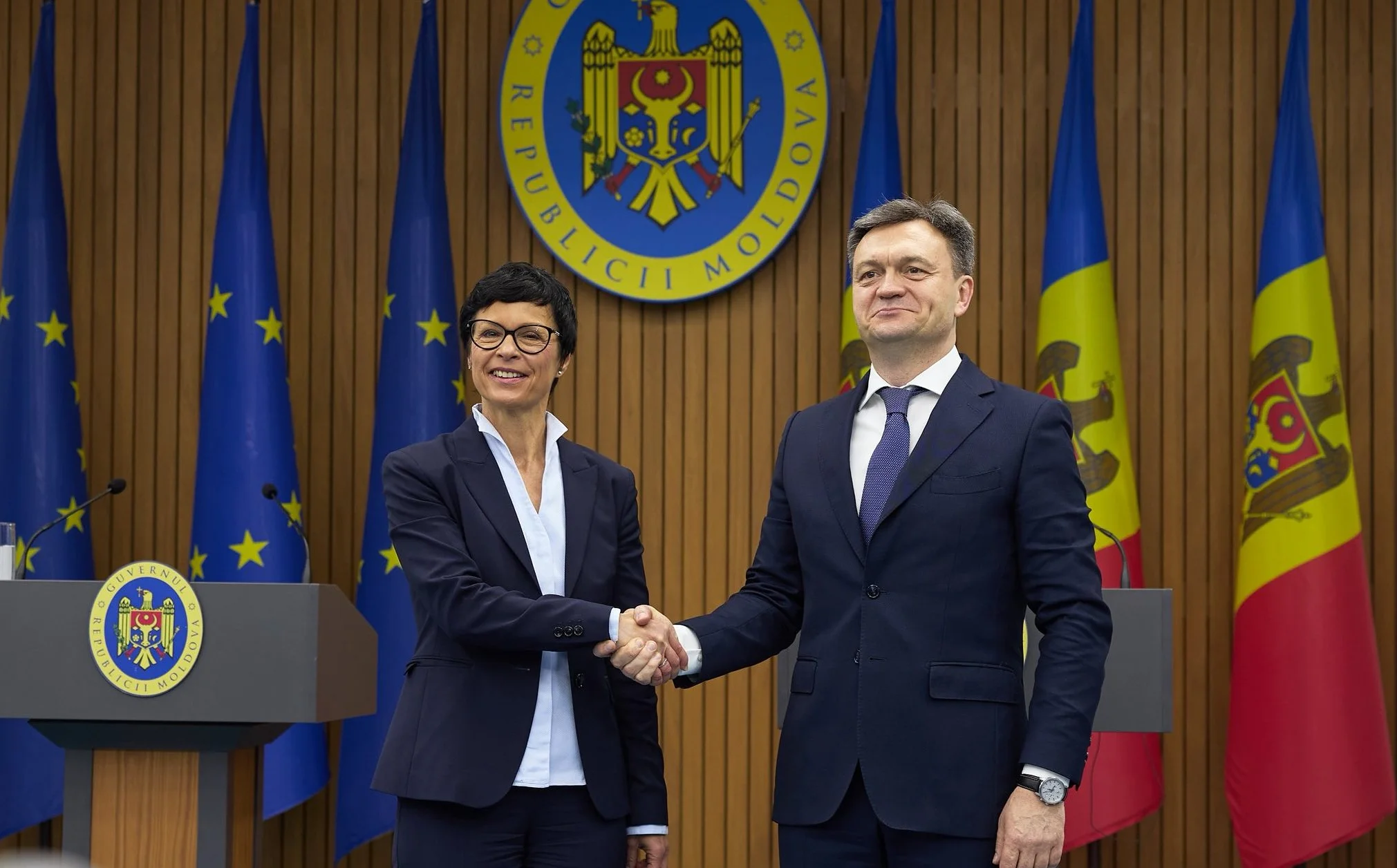
    The Republic of Moldova and the European Union held a High-Level Dialogue on Education, Skills, Employment and Social Affairs in Brussels, bringing together Dan Perciun, Minister of Education and Research, Natalia Plugaru, Minister of Labour and Social Protection, and Roxana Mînzatu, Executive Vice-President of the European Commission for Social Rights and Skills, Quality Jobs and Preparedness.

    The dialogue focused on reforms that directly impact people’s lives — from education and employment to social protection, inclusion and equal opportunities. It also provided an opportunity to review Moldova’s progress in aligning with European standards as the country advances on its path towards EU membership.

    Accelerating Alignment with European Social Standards

    Moldova is implementing one of the most ambitious social policy reform agendas among EU candidate countries. Over the past year, the country has significantly accelerated the alignment of its legislation with the EU social acquis under Chapter 19 – Social Policy and Employment and Chapter 2 – Free movement of workers.

    Key Facts

    • More than 30 EU legal acts are currently in the process of transposition;
    • Reforming the legal framework governing the State Labour Inspectorate in line with ILO Conventions adopted in 2025;
    • New labour legislation introducing stronger worker protection standards;

    Strengthening Labour Mobility and Free Movement

    A major milestone was reached in March 2026, when Moldova’s new law on the free movement and residence of EU citizens entered into force. This law establishes, for the first time, a comprehensive framework granting EU and Schengen nationals equal access to the Moldovan labour market and to  general and VET education. 

    The country is also preparing for participation in European labour mobility mechanisms, such as EURES, EESSI, EHIC and strengthening cooperation with EU institutions.

    Key Facts

    • New free movement legislation entered into force on 18 March 2026;
    • More than 100 residence permits issued under the new framework;
    • 10 territorial employment offices designated as future EURES members;
    • Alignment underway with ESCO occupational classification standards;
    • 23 bilateral social security agreements signed, including 18 already in force.

    Expanding Employment Opportunities

    Creating jobs and helping people enter the labour market remains a national priority. Moldova continues to strengthen labour market policies, with a particular focus on women, young people, persons with disabilities and vulnerable groups.

    Key Facts

    • 20,733 people supported into employment in 2025;
    • 9,392 women benefited from employment measures;
    • National Employment Agency target of 25,000 supported placements in 2026;
    • Long-term objective of integrating at least 100,000 people into employment over the next four years;
    • Financial incentives introduced for young workers entering priority economic sectors.

    Fighting Informal Employment

    Recent reforms have strengthened Moldova’s capacity to combat undeclared work and protect workers’ rights.

    Key Facts

    • 3,453 labour inspections conducted in 2025;
    • 8,086 undeclared workers identified;
    • 6,206 workers subsequently formalised;
    • Informal employment rate reduced to 17.3%;
    • More than 12,000 individuals received labour law and workplace safety guidance.

    Investing in Skills and Human Capital

    Education and skills development remain central to Moldova’s European future. Current reforms focus on lifelong learning, digital skills, workforce reskilling and better alignment between education systems and labour market needs.

    As Moldova develops a more competitive and innovative economy, investing in people remains one of the country’s most important priorities.

    Key Facts

    • Skills development integrated into labour market reforms;
    • Lifelong learning placed at the centre of the new employment strategy;
    • Financial incentives supporting youth employment;
    • Stronger links between education policies and labour market needs.

    Advancing Child Protection

    Moldova continues to move away from institutional care towards family-based services and is preparing a new Child Protection Programme aligned with the European Child Guarantee.

    Key Facts

    • More than 85% reduction in the number of children living in residential institutions since 2015;
    • Institutionalisation rate reduced to approximately 0.07% of the child population;
    • 91.97% of children in planned placement benefit from family-based services;
    • Second Barnahus Centre opened in Cahul in 2026;
    • New Child Protection Programme for 2027–2030 under preparation.

    Promoting Inclusion and Equal Opportunities

    The country is also advancing reforms to support persons with disabilities, improve accessibility and strengthen independent living services.

    Key Facts

    • 6,988 personal assistance positions operational nationwide;
    • 33 mobile support teams assisting approximately 995 beneficiaries;
    • 29 protected housing services and 19 community homes in operation;
    • Expansion of community-based and respite services underway;
    • Draft legislation transposing the EU Accessibility Directive and the 2026-2030 National Programme for the Social Inclusion of Persons with Disabilities submitted for consultation.

    Strengthening Gender Equality and Protection Against Violence

    Moldova continues to align its legislation with European standards on gender equality and the protection of women and vulnerable groups.

    Key Facts

    • Criminalisation of femicide, forced marriage and stalking introduced;
    • New legislative measures strengthening protection against domestic violence;
    • 11 state-funded shelters operating nationwide;
    • Shelter capacity increased from 178 to 214 places.

    Protecting Vulnerable Families

    Social protection remains a key pillar of Moldova’s reform agenda. Recent measures have focused on supporting vulnerable households, protecting families from energy poverty and expanding family support services.

    Key Facts

    • More than 21,500 vulnerable families supported in 2025;
    • Over half of beneficiaries were families with children;
    • Approximately 621,000 households received energy compensation during the 2025–2026 heating season;
    • Family support programmes reached nearly 50,000 children between 2022 and 2025.

    A European Future Built Around People

    The High-Level Dialogue highlighted the depth of cooperation between Moldova and the European Union in areas that matter most to citizens.

    From education and employment to social inclusion and child protection, Moldova’s reforms are bringing European standards closer to everyday life. As the country advances in its accession process, these reforms are helping build a more prosperous, inclusive and resilient European future for all Moldovans.

  • Moldova, Fearlessly Moving Forward: A Documentary About a Country Choosing Europe

    Moldova, Fearlessly Moving Forward: A Documentary About a Country Choosing Europe

    On 15 January 2026, MoldovaInEU launched the documentary Moldova, Fearlessly Moving Forward — a film that captures today’s Moldova and the clear direction the country has chosen: reforms, resilience, and Europe.

    This documentary is not about distant ambitions or hypothetical scenarios. It is about a real process already in motion, built in recent years amid one of the most challenging regional contexts Europe has faced in decades.

    A difficult context. A clear response.

    The Republic of Moldova has been deeply affected by overlapping crises: the war in Ukraine unfolding in its immediate neighbourhood, the energy crisis, sustained economic and social pressure, and persistent disinformation campaigns aimed at weakening democratic institutions.

    Moldova, Fearlessly Moving Forward shows how Moldova responded to these challenges — not through hesitation or ambiguity, but through concrete reforms, political responsibility, and a firm European course.

    From European discourse to European delivery

    Through the voices of Moldovan and European leaders, decision-makers, journalists, and partners, the documentary tells a central story: Moldova’s European path is no longer a promise. It is a measurable, visible process.

    “Moldova’s European path is no longer a promise. It is a real process, built through reforms, resilience, and democratic commitment,”says Cristina Gherasimov, Deputy Prime Minister for European Integration, in the documentary.

    At European level, this progress is clearly recognised. According to the European Commission’s Enlargement Report, Moldova has recorded the greatest progress among all candidate countries in the past two years — an assessment that places the country at the forefront of the EU enlargement process.

    A rare recognition — and a strong signal

    The message conveyed throughout the film is consistent and unequivocal:

    • Moldova has advanced faster in the past two years than in the previous three decades combined;
    • reforms are no longer declarative, but structural and functional;
    • political determination has become Moldova’s key differentiator among EU candidate countries.

    The documentary sends a simple but powerful message:

    Moldova’s European future is not distant or abstract. It is being built now.

    Why this documentary. Why now.

    Moldova, Fearlessly Moving Forward was filmed in November 2025 in Brussels, in the context of the country event “Moldova, Europe” — the first large-scale country event organised by the Republic of Moldova in the EU capital during a decisive year for its European trajectory.

    The documentary is part of MoldovaInEU’s broader mission to explain Moldova’s European path in a clear, accessible, and credible way, to counter disinformation, and to present Moldova as it truly is: democratic, resilient, and firmly anchored in European values.

    Credits:

    Produced by: MoldovaInEU

    Main support: Konrad Adenauer Stiftung Moldova

    Special thanks to:

    • European Commission
    • PractNet
    • Soros Foundation Moldova
    • Moldova’s Diplomatic Mission to the European Union
    • Bureau for European Integration
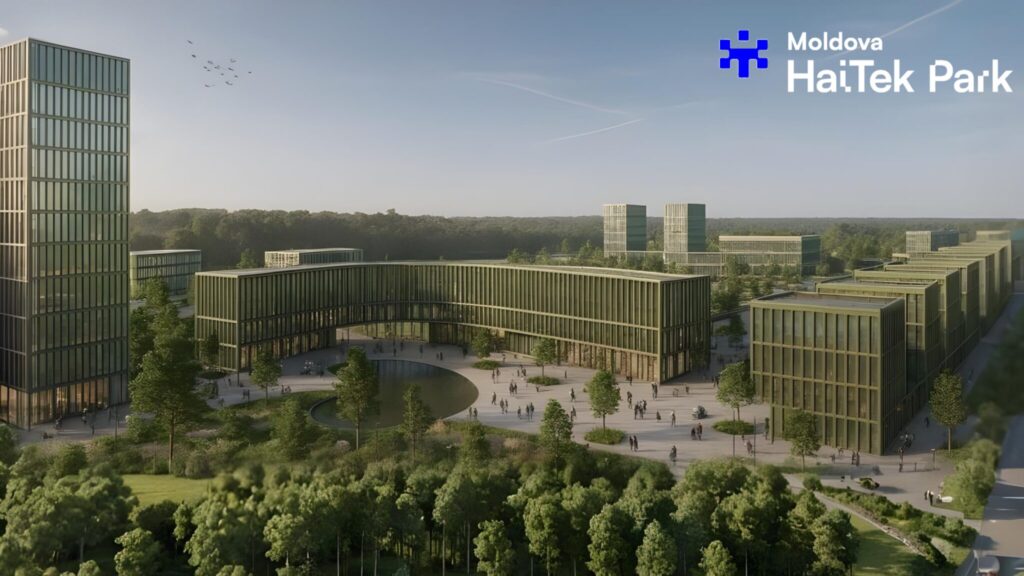
  • HaiTek Park: Moldova’s next big leap in green, high-tech growth

    HaiTek Park: Moldova’s next big leap in green, high-tech growth

    What it is

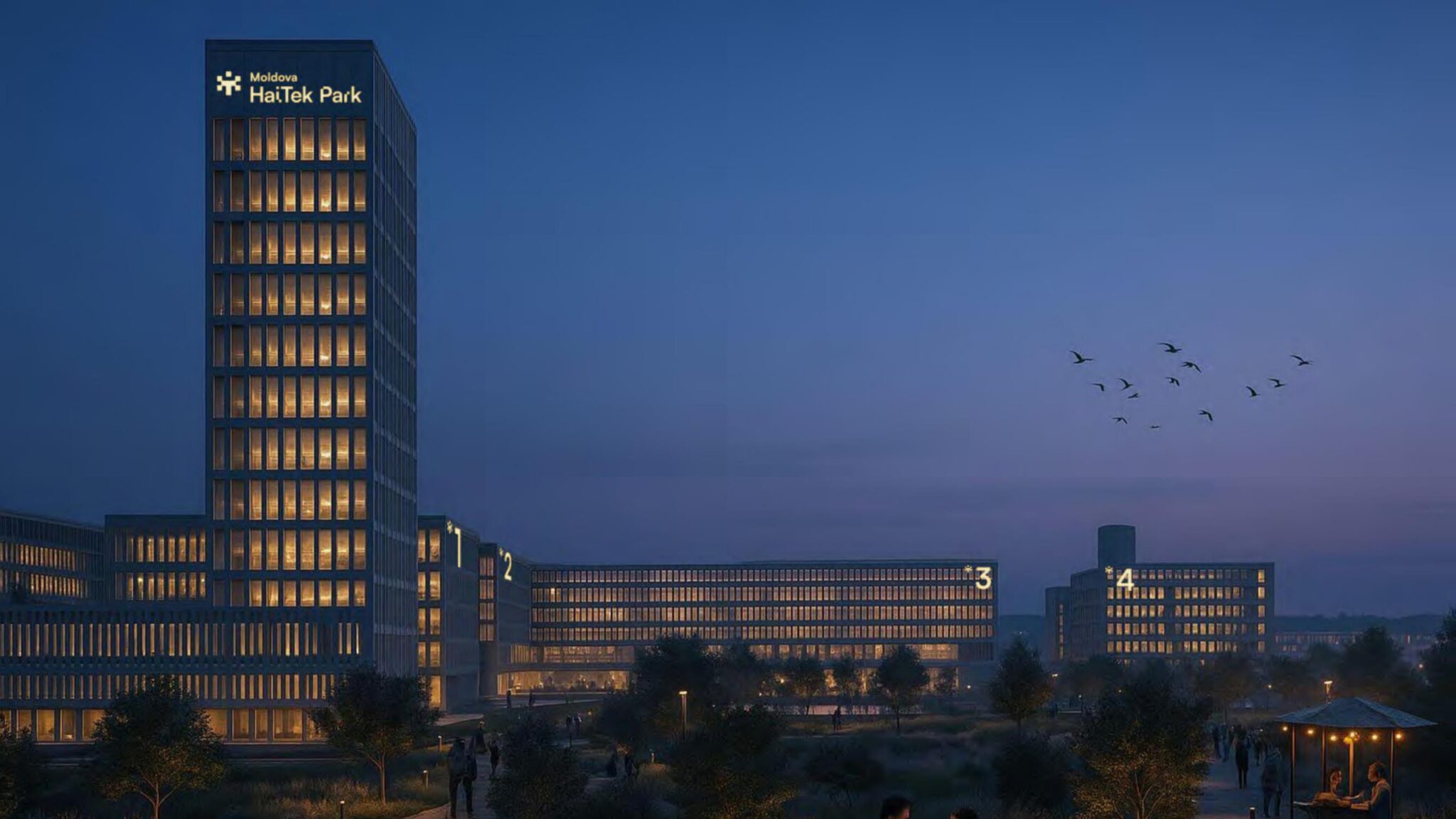
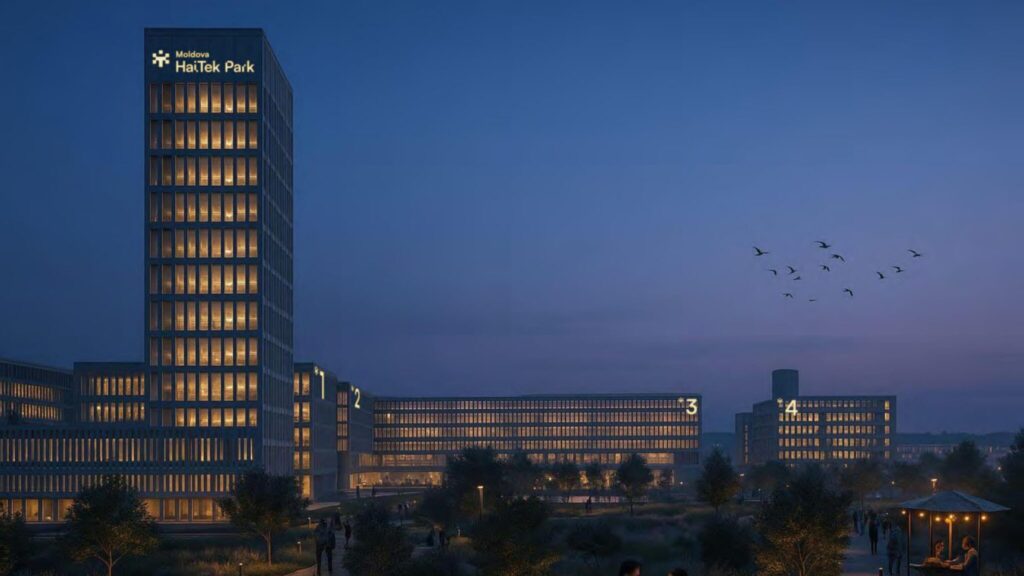
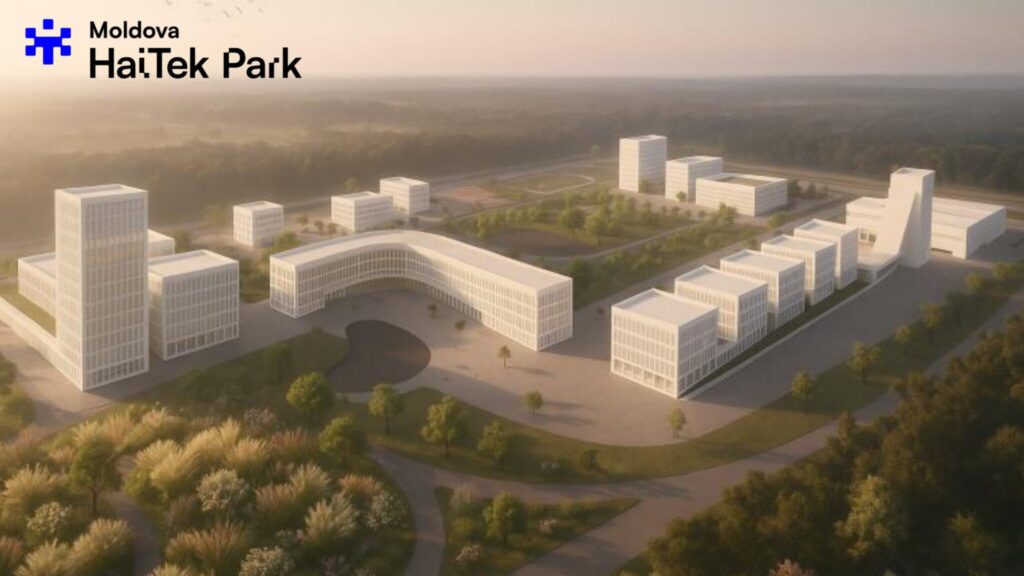
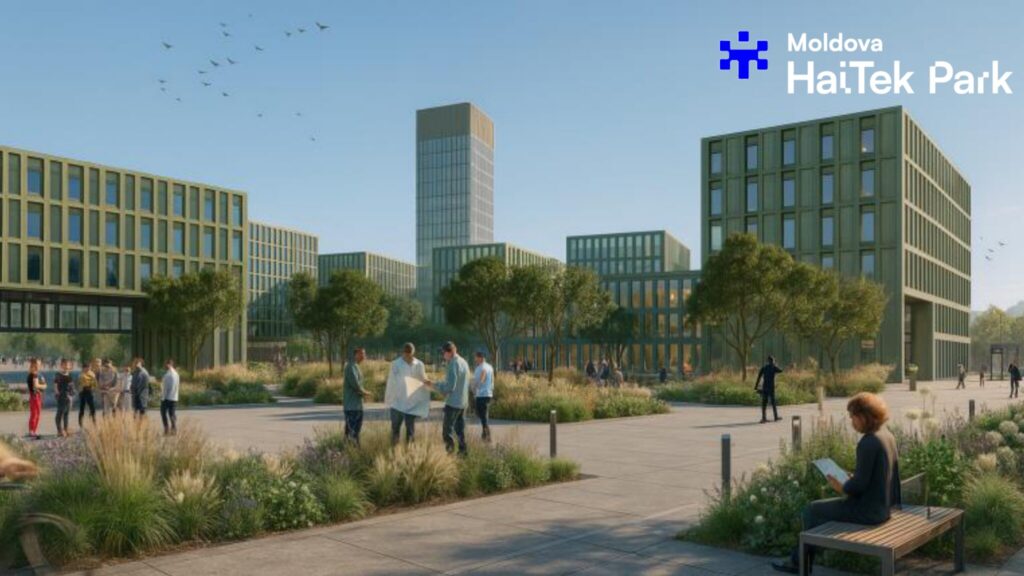
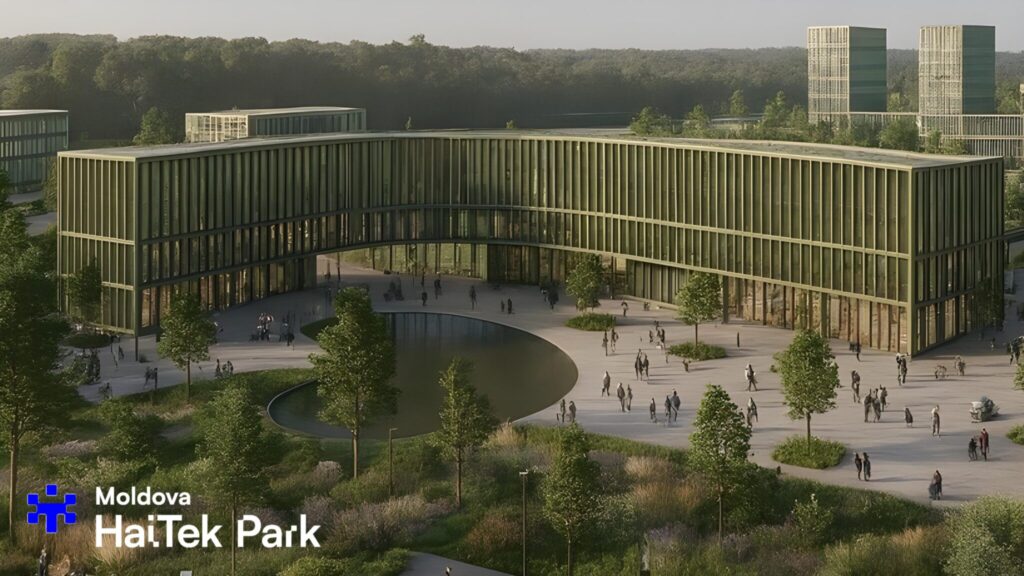
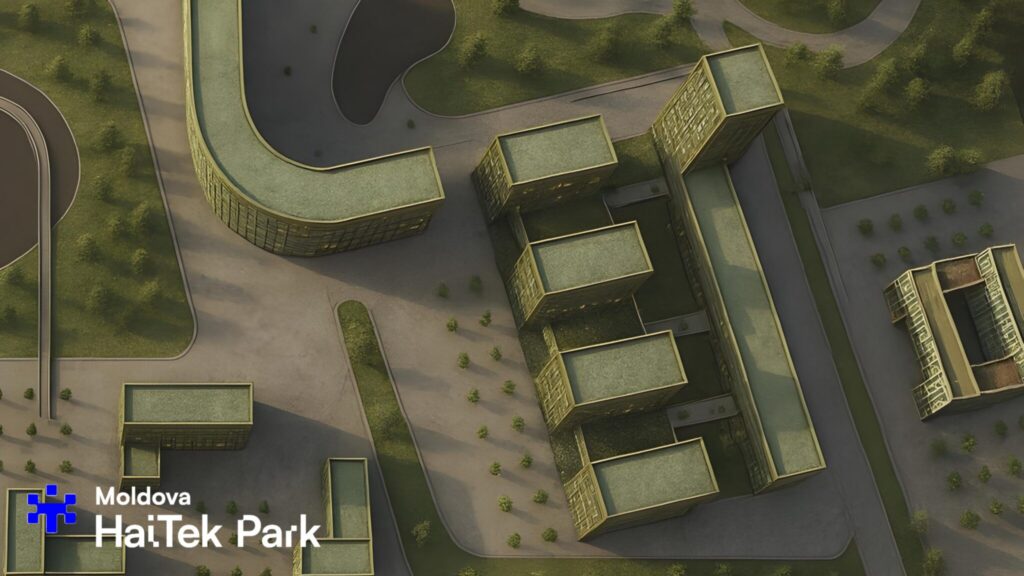
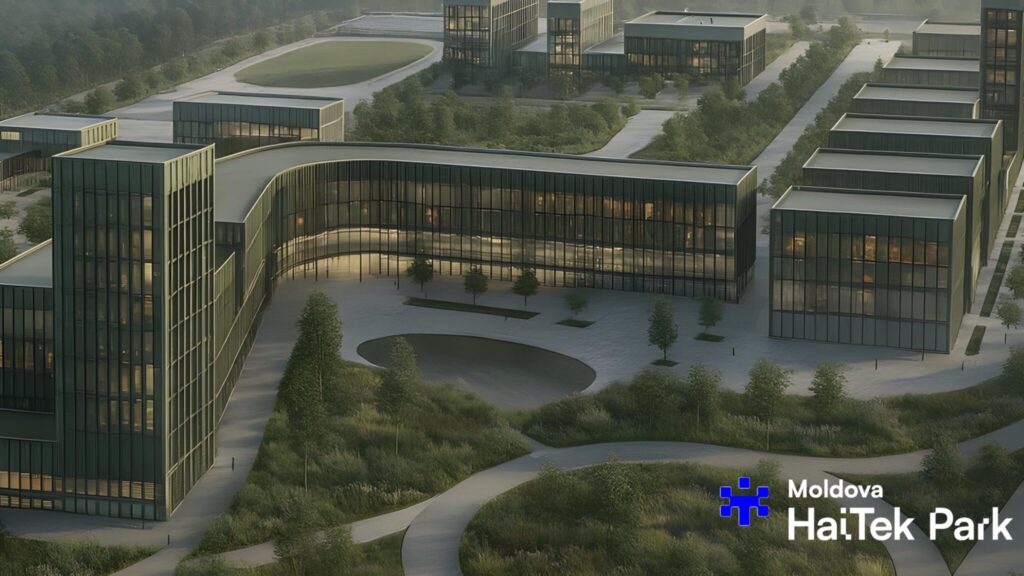
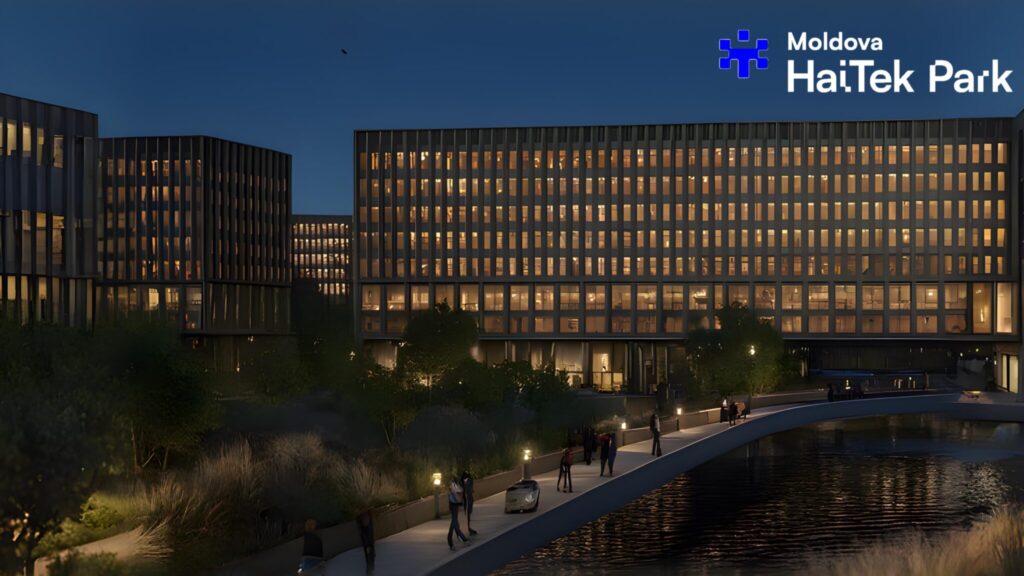
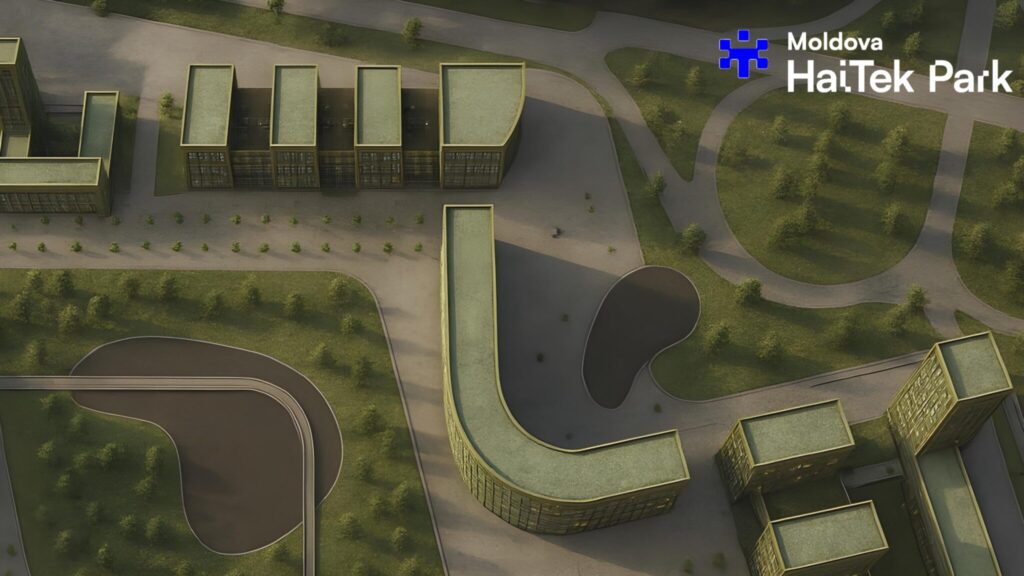
    Unveiled by Deputy Prime Minister and Minister of Economic Development and Digitalization Doina Nistor, HaiTek Park is designed around high-value sectors: AI, cybersecurity, data processing, microelectronics, medical research, creative industries and more. The concept blends modern offices, laboratories, university campuses, conference spaces and testbeds — an ecosystem where talent can study, build, and scale without leaving home.

    Scale and timeline

    • €200+ million in direct investment, combining EU Growth Plan support, private capital and development partners;
    • 21,600+ jobs projected once fully operational (from 2030);
    • €1.28 billion estimated net economic impact over the first two decades;
    • Construction to start in 2026, with a build-out of about five years.

    Parliament has already adopted a special legal regime for the park (10 July), while the government is moving to set up the management company and fast-track enabling decisions — a sign this project has shifted from feasibility to implementation.

    Designed for sustainability

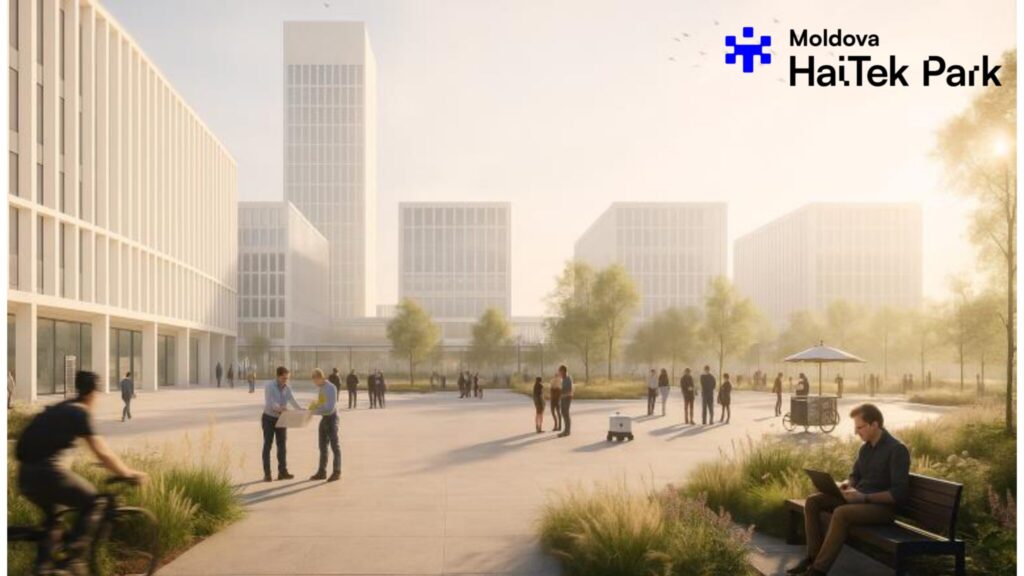
    HaiTek Park puts energy efficiency and clean mobility at the core: PV rooftops, EV-friendly transport, generous green public spaces, and a campus layout that privileges walking, cycling and short commutes. The intent is to couple low-carbon infrastructure with high-productivity industries — aligning the project with European standards for sustainable development.

    Talent engine and partnerships

    In partnership with the Technical University of Moldova and the Nicolae Testemițanu State University of Medicine and Pharmacy, the park targets 15,000+ trained specialists over the next decade, matching academic programs with real-world labs and industrial partners. The design work draws on European best practices and is supported by programs such as Innovate Moldova (funded by Sweden), UMAEF, and the UNITH2B architecture studio.

    Why it matters

    • Future-proof jobs. The park focuses growth in sectors with high added value, helping retain young talent and attract skilled returnees.
    • Stronger resilience. A diversified, innovation-led economy is less exposed to external shocks and better integrated with EU supply chains and standards.
    • Place branding with substance. HaiTek Park gives Moldova a tangible flagship for its European, sustainable development path — a home for startups, corporates, and research teams to co-create solutions with regional impact.

    Key facts (at a glance)

    • Location: Stăuceni (Chișinău municipality), near National Arena50 ha. Moldpres
    • Investment: ~€200 million; Build-out: ~5 years, start 2026. Moldpresinfotag.md
    • Jobs: 21,600+ projected; Education: 15,000+ specialists trained in 10 years. Moldpresipn.md
    • Governance: Special legal regime adopted; management company in formation. infotag.md

    Moldova’s ambition is clear: turn Stăuceni into a sustainable innovation district that keeps ideas, investment and opportunity here at home — clean, local, European.

  • Moldova and EU Sign Historic Reform & Growth Plan for Moldova

    Moldova and EU Sign Historic Reform & Growth Plan for Moldova

    A milestone for Moldova’s European journey

    “Could there be a better time and place to sign our Growth Plan than on Europe Day in Chișinău?”
    — Marta Kos, European Commissioner for Enlargement

    Transformative reforms for a resilient future

    Moldova’s ambition meets Europe’s vision

    This milestone goes beyond financial support — it represents shared values, mutual trust, and Moldova’s determination to build its European future. With reforms in motion, the EU stands ready to back Moldova every step of the way.

    source: https://euneighbourseast.eu/
  • The Tree of Life: Moldova’s Timeless Symbol

    The Tree of Life: Moldova’s Timeless Symbol

    A living symbol of Moldova’s spirit

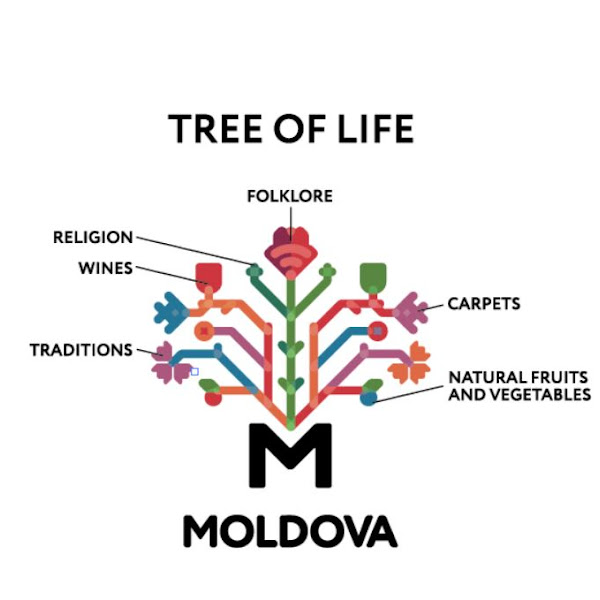
    The Tree of Life is woven into Moldova’s identity as a nation that honors its heritage while embracing a European future. Deeply rooted in folk traditions, this ancient motif appears in embroidery, wood carving, ceramics, and other forms of popular art — testifying to the creativity, wisdom, and resilience of Moldovans across centuries.

    Today, this emblem has been reimagined to serve as the country’s official national brand. It stands for the vital connection between Moldova’s roots — its rich cultural heritage — and its branches reaching toward a modern, prosperous, and European destiny.

    The meanings behind the tree

    The Tree of Life is more than a decorative motif:
    Roots — symbolize Moldova’s profound traditions, values, and authentic way of life.
    The trunk — stands for resilience and unity, the ability to stand firm despite adversity.
    Branches and leaves — reflect Moldova’s aspirations for growth, innovation, and connection with Europe.

    Connecting past, present, and future

    Through the Tree of Life, Moldova tells the story of a nation proud of its roots, yet unafraid to dream bigger. It embodies values of peace, unity, and continuity, while encouraging people everywhere to see Moldova as a vibrant, modern country ready to contribute to a shared European future.

    As Moldova advances on its EU integration path, the Tree of Life is more than a logo — it is a bridge between past and present, tradition and progress, local pride and European belonging.

    Invest Moldova
  • Moldova’s Exports: Growth and Stronger Ties with Europe

    Moldova’s Exports: Growth and Stronger Ties with Europe

    Moldova’s top industries drive progress

    Moldova’s exports are powered by three key sectors: agriculture, ICT, and automotive components. In 2022, the agricultural sector alone generated about $2.1 billion, with plant cultivation making up two-thirds of this value. Moldovan producers have invested in higher standards, technology, and sustainability to compete on the European market.

    The ICT industry continues to grow, thanks to a talented workforce and competitive services. In 2023, Moldova’s ICT exports reached $250 million, reflecting strong global demand. Moldova’s emerging automotive parts sector is also expanding, supplying European manufacturers with reliable components.

    Numbers confirm a European direction

    In 2023, Moldova’s total exports reached approximately $4.2 billion, a modern record. Europe remains Moldova’s strongest trade partner, with the following top destinations:

    • Romania: 35% of exports
    • Ukraine: 14.7%
    • Italy: 6.4%
    • Germany: 5.5%

    Compared to 2022, Moldova has increased its European market share, supported by free trade agreements like the DCFTA. This gives Moldovan businesses access to more than 450 million EU consumers.

    Beyond wine and food

    Agriculture, especially wine, fresh fruit, and cereals, still leads the way. Moldovan wine exports surpassed $200 million in 2023. But new products are gaining ground:

    • Textiles and apparel exports reached $320 million
    • Furniture exports topped $100 million

    Looking ahead

    Moldova’s trade ties with Europe are more than just numbers — they reflect trust, quality, and a shared future. By investing in modern production and higher standards, Moldova is proving that it is ready to grow as part of the European family.