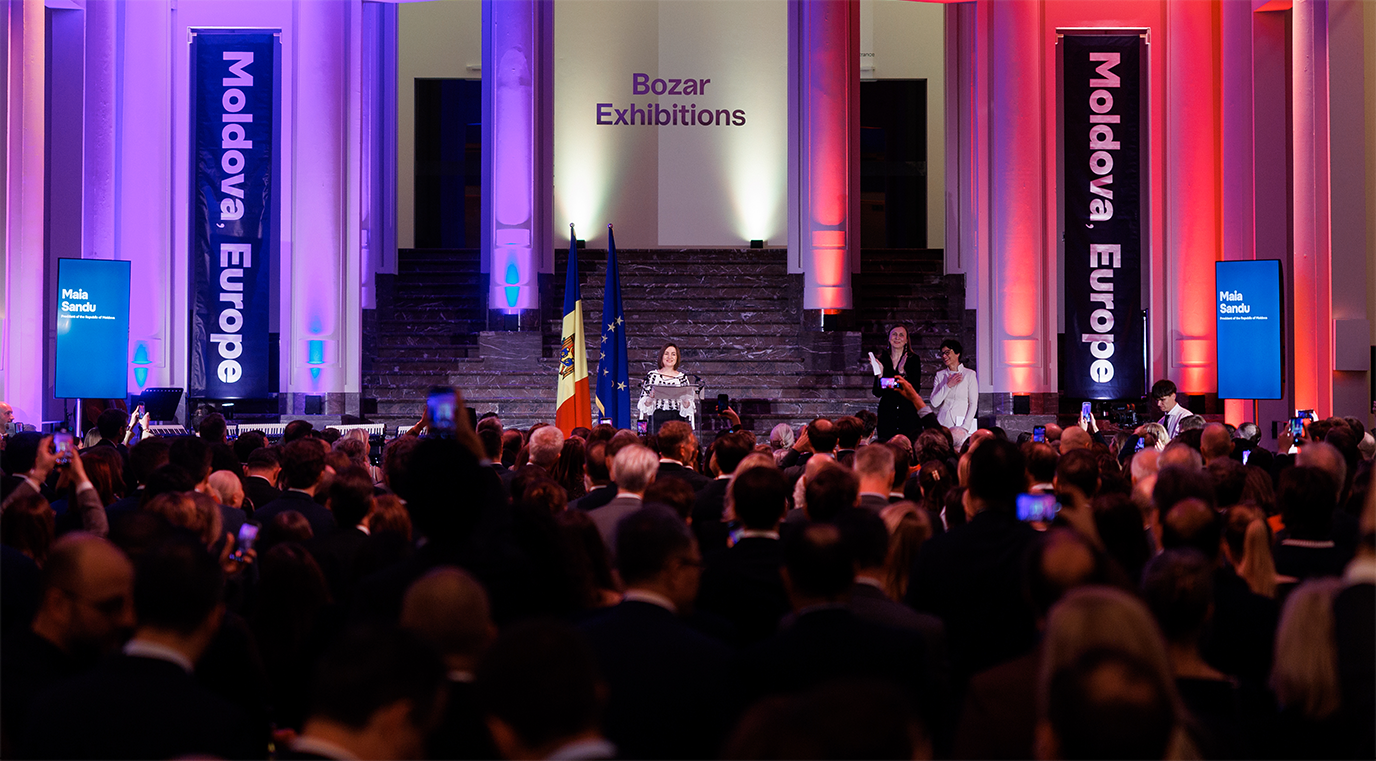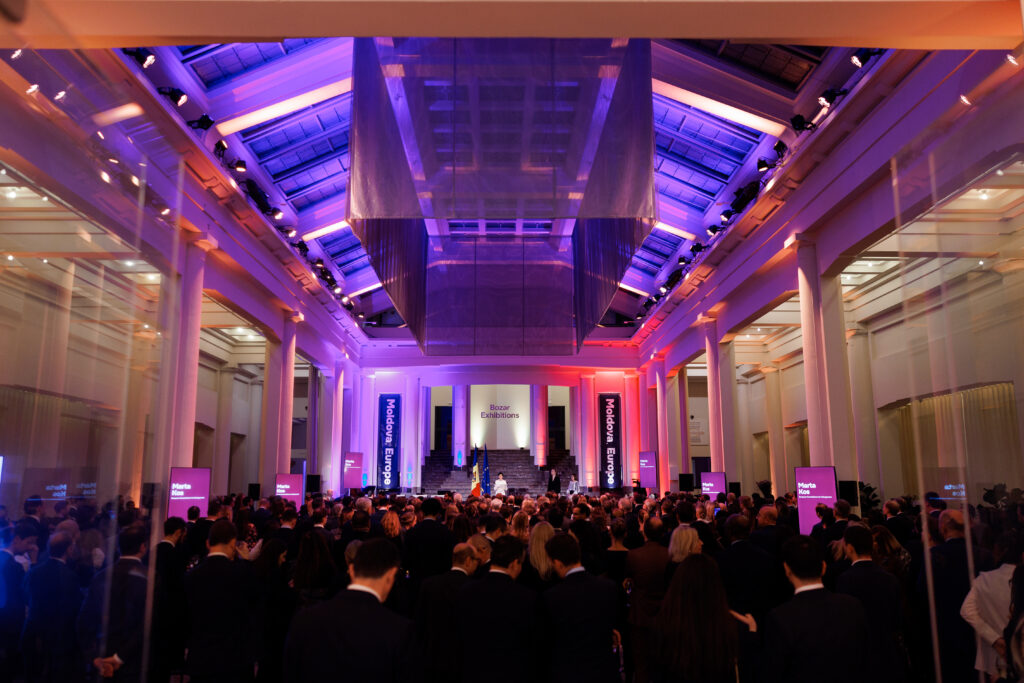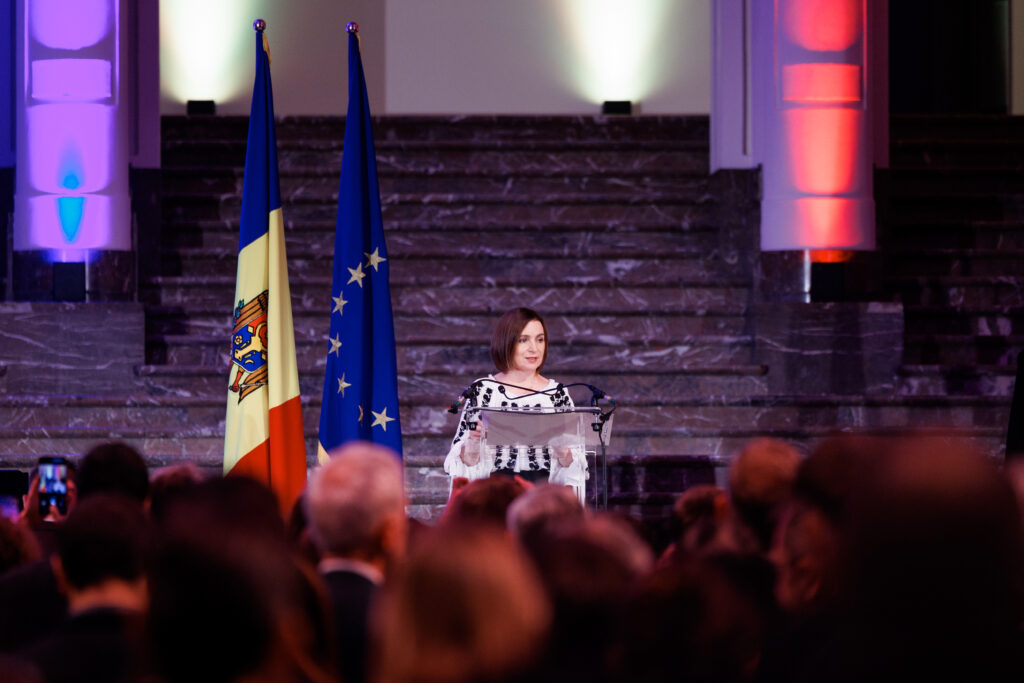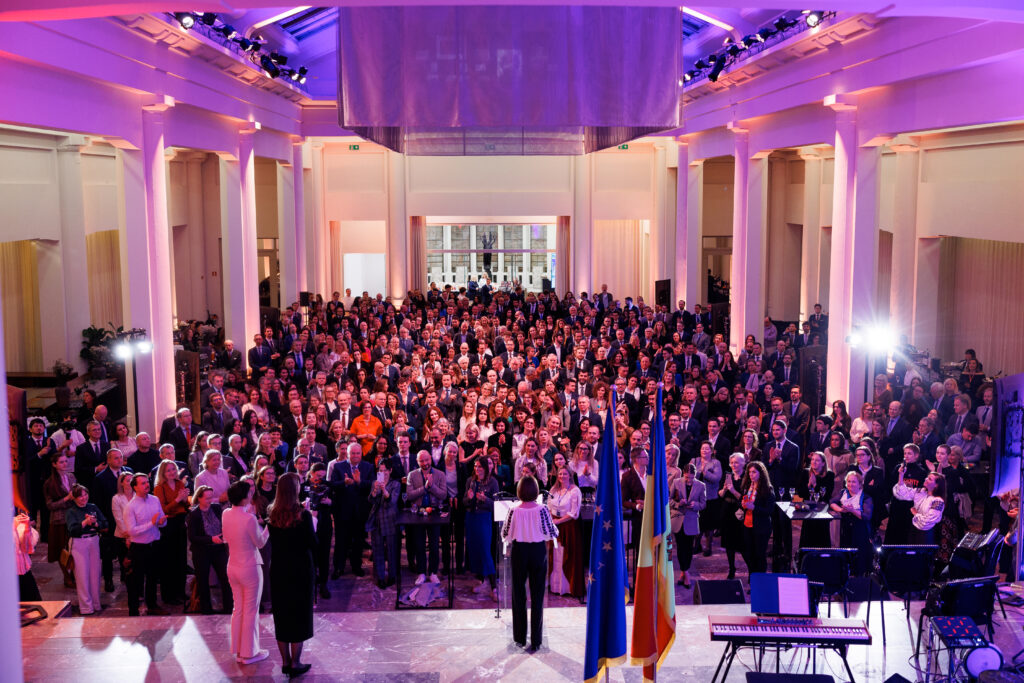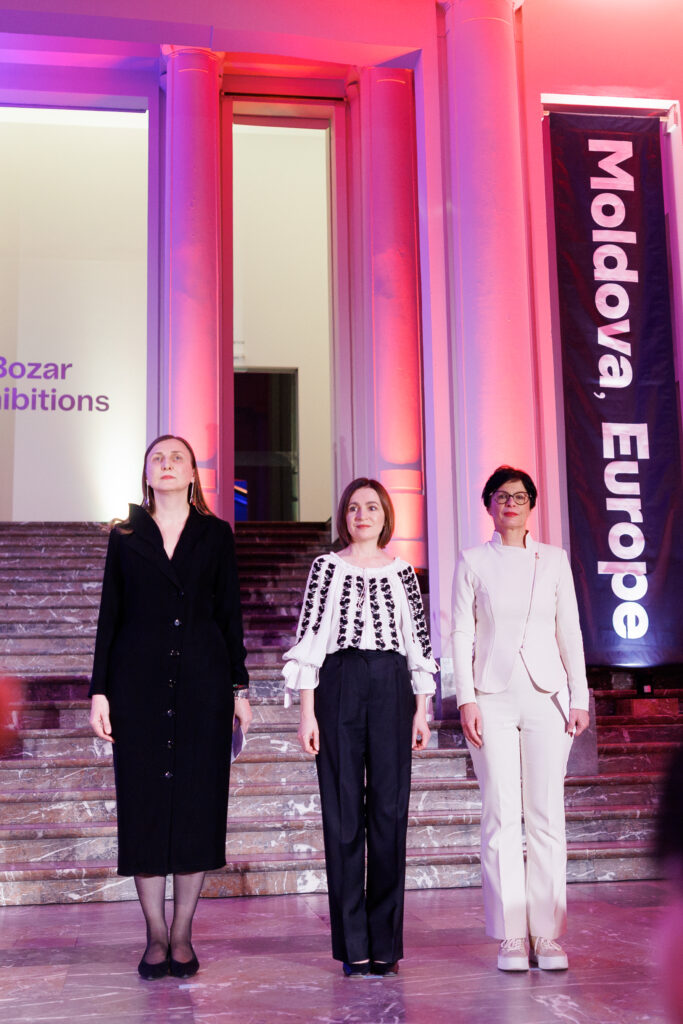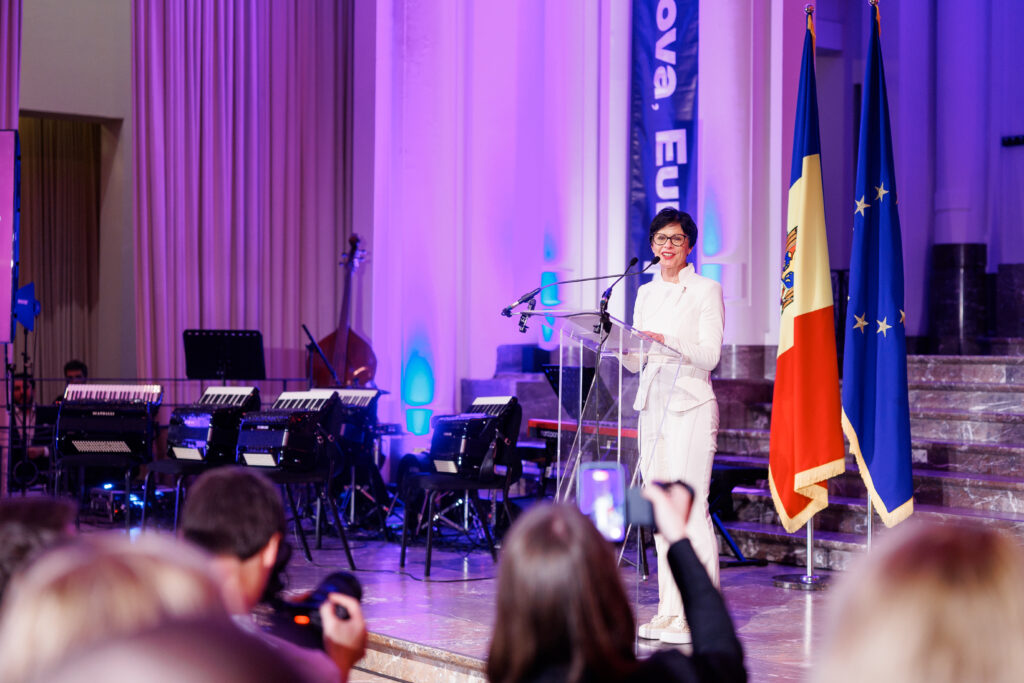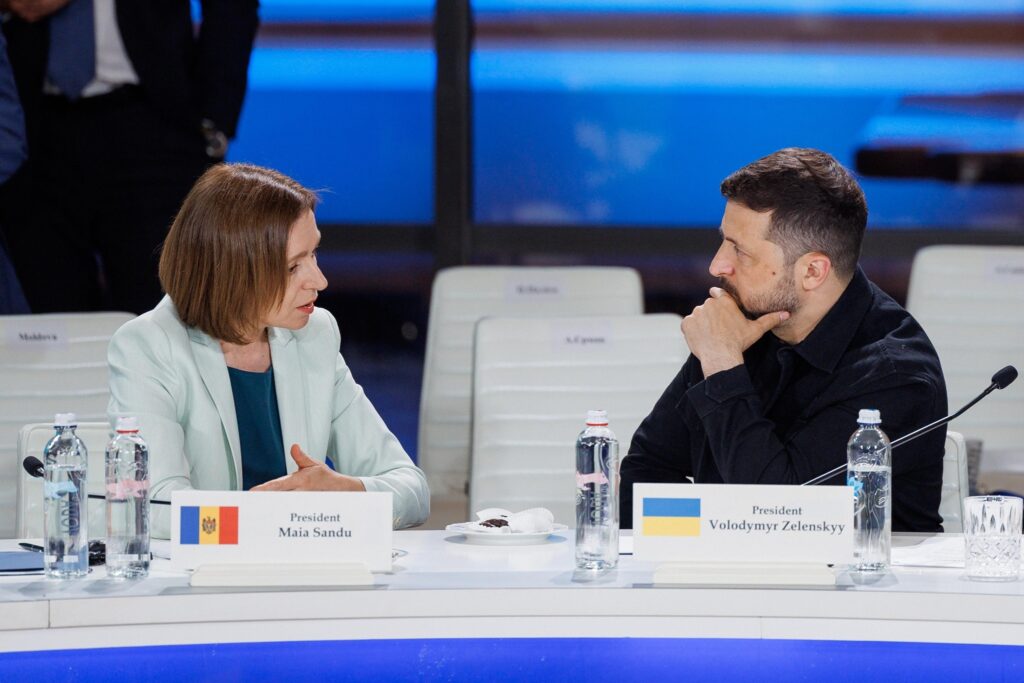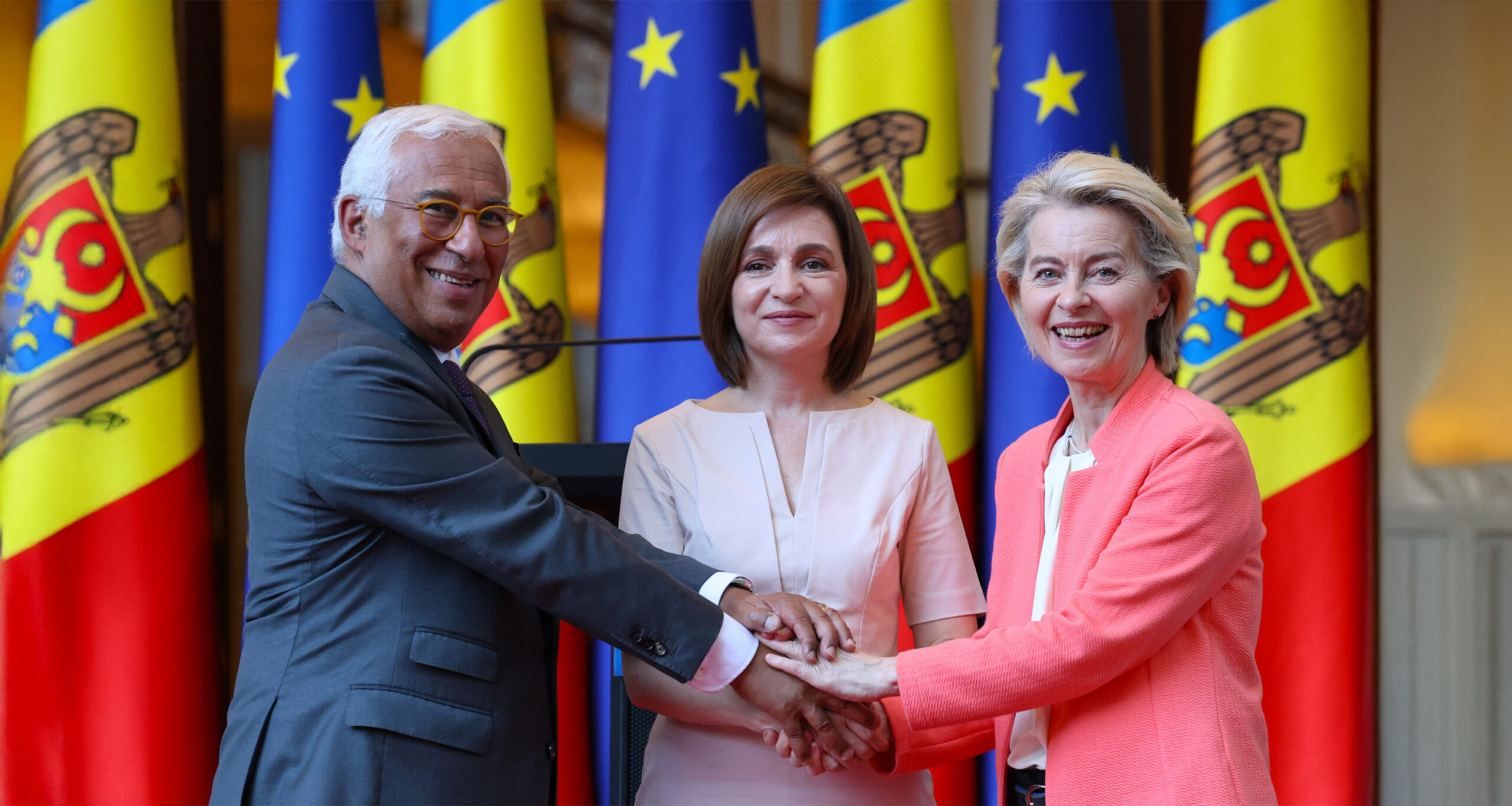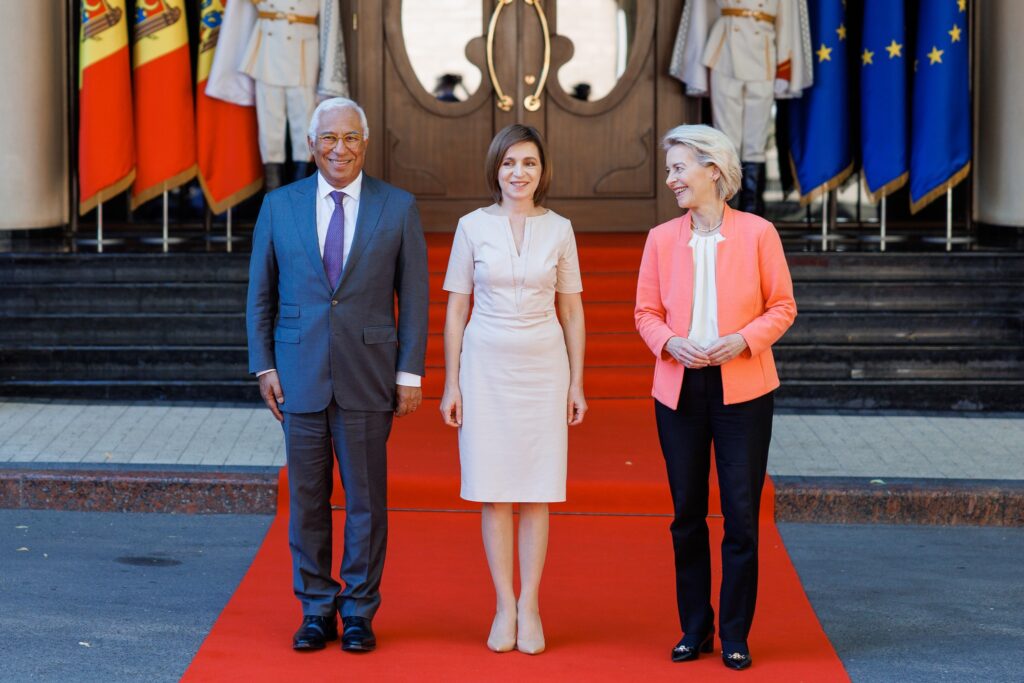
The EU–Moldova Summit held in Brussels on 22 June marked another important step in Moldova’s European integration process. Coming only days after the official opening of accession negotiations under Cluster 1 – Fundamentals, the summit reaffirmed the European Union’s strong political commitment to Moldova’s future membership and outlined concrete measures to accelerate the country’s economic development, resilience, and integration into the European family.
More than a diplomatic gathering, the summit reflected a growing recognition that Moldova’s European future is closely linked to the future security, stability, and prosperity of the continent as a whole.
From Candidate Country to Active Integration
Since obtaining EU candidate status in 2022, Moldova has made significant progress in implementing reforms, strengthening democratic institutions, and aligning with European standards.
The opening of accession negotiations earlier this month represented a historic achievement. The Brussels summit built upon this momentum, focusing on practical steps to deepen Moldova’s integration with the European Union even before membership.
European leaders acknowledged Moldova’s reform efforts and reiterated their support for advancing the accession process based on merit and continued progress.
Unprecedented European Support for Moldova’s Development
A central outcome of the summit was the advancement of the EU Growth Plan for Moldova, the largest European financial support package ever dedicated to the country.
Through the €1.9 billion Growth Plan, the European Union is investing in Moldova’s long-term transformation, helping accelerate reforms and improve the quality of life for citizens.
The support will contribute to:
- Modernisation of transport infrastructure and connectivity;
- Energy interconnections and increased energy security;
- Development of local businesses and support for entrepreneurship;
- Digitalisation of public services and institutions;
- Education, skills development and workforce competitiveness;
- Modern healthcare and social infrastructure;
- Strengthening public administration and governance reforms.
These investments aim not only to support economic growth but also to bring Moldova closer to the European Single Market and create new opportunities for businesses, communities, and young people.
The Growth Plan reflects a broader European commitment to helping Moldova achieve sustainable development while preparing for future membership.
Enlargement as an Investment in European Security
One of the strongest messages emerging from the summit was that enlargement is increasingly viewed as a strategic investment in Europe’s security.
Russia’s war against Ukraine has transformed the European security landscape and reinforced the importance of a stable, democratic, and resilient neighbourhood.
In this context, Moldova’s European integration is no longer seen solely as a technical accession process. It is also a contribution to a stronger and more secure Europe.
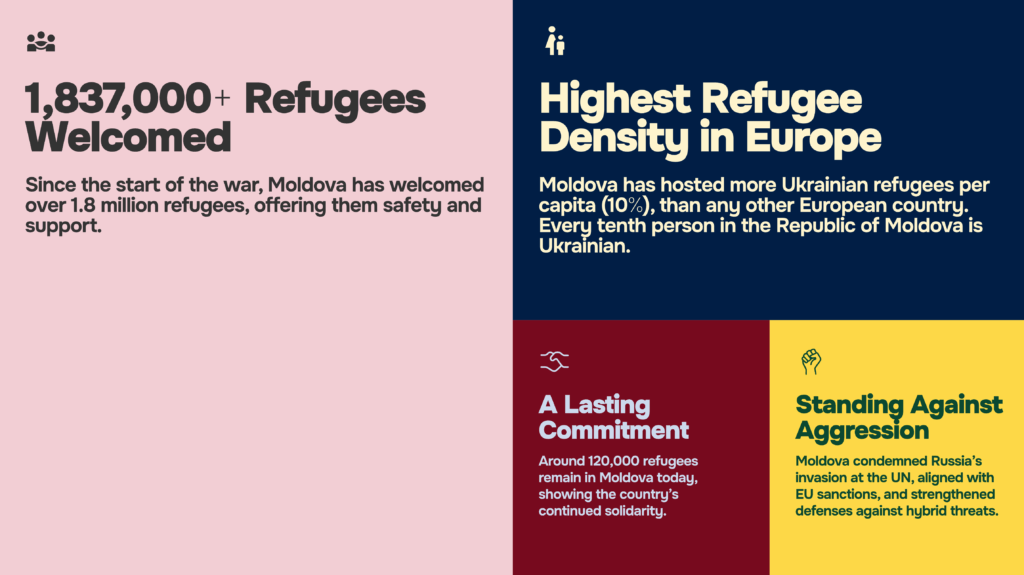
Over the past years, Moldova has demonstrated remarkable resilience in the face of unprecedented challenges, including energy blackmail, cyberattacks, disinformation campaigns, and attempts to interfere in democratic processes.
By continuing reforms and strengthening its institutions, Moldova is helping reinforce stability along the EU’s eastern border and contributing to the broader security of the continent.
Strengthening Security, Defence and Resilience
The summit also highlighted growing cooperation between Moldova and the European Union in the fields of security and defence.
European support will continue to help Moldova strengthen its capacity to address hybrid threats, counter foreign interference, improve cybersecurity, and protect critical infrastructure.
The EU reaffirmed its commitment to supporting Moldova through instruments designed to enhance national resilience and defence capabilities, while respecting the country’s constitutional neutrality.
Cooperation is expanding in several key areas:
- Cybersecurity and protection of critical infrastructure;
- Countering disinformation and foreign information manipulation;
- Crisis preparedness and civil protection;
- Border management and security cooperation;
- Defence modernisation and resilience-building measures;
- Energy security and protection against external pressure.
These efforts are aimed at ensuring that Moldova remains secure, resilient, and capable of protecting its democratic institutions in an increasingly complex geopolitical environment.


A Stronger Europe Includes Moldova
The Brussels summit confirmed that Moldova’s relationship with the European Union has entered a new phase.
The country is no longer simply preparing for a European future—it is becoming increasingly integrated into Europe’s economic, political, and security architecture.
The combination of accession negotiations, unprecedented financial support, and enhanced cooperation on security and resilience demonstrates that Moldova’s European path is moving steadily forward.
As Europe faces growing geopolitical challenges, Moldova’s accession is about more than membership alone. It is about building a stronger, safer, and more united Europe.
Moldova’s future is European. Increasingly, Europe’s future includes Moldova.