
Moldova in EU
A journey towards European unity
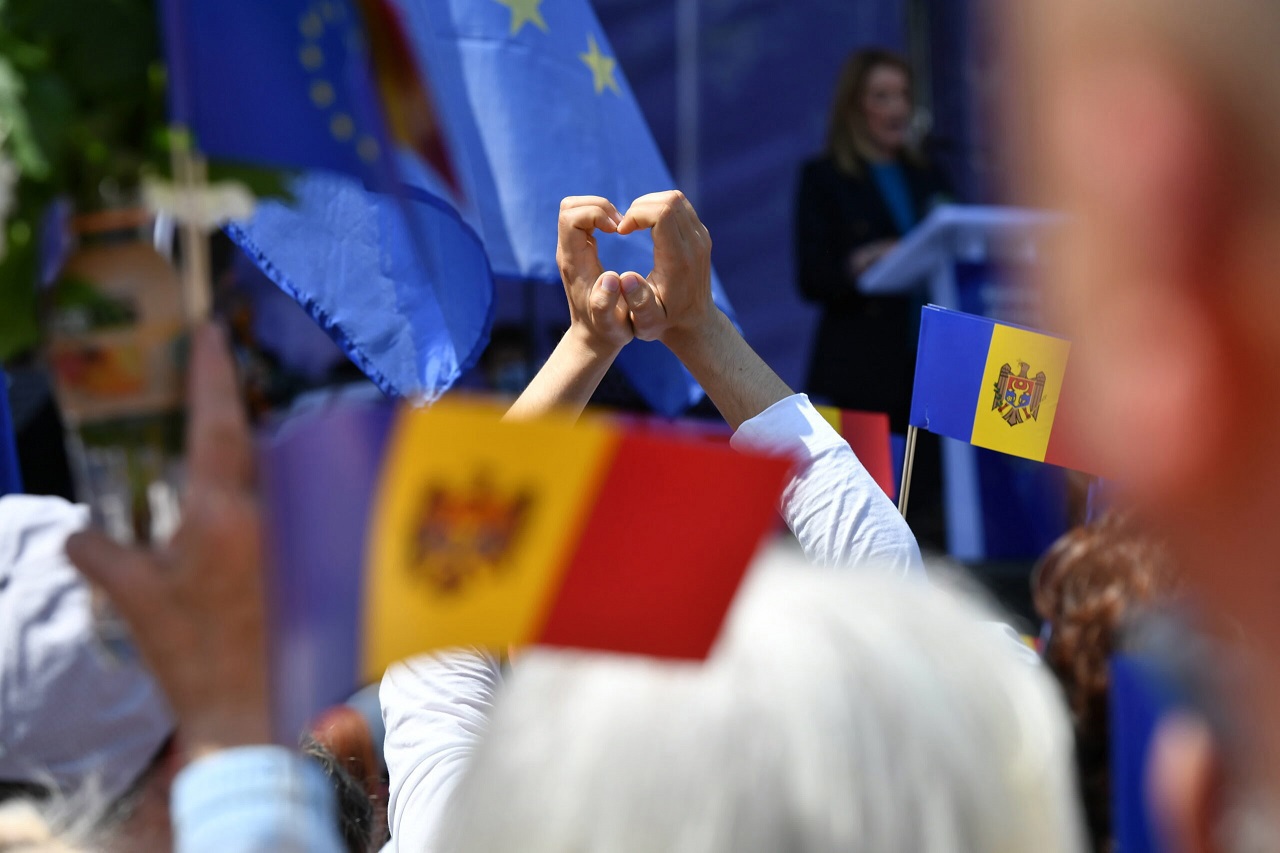

Since March 2022, Moldova has advanced EU alignment through reforms and regional stability efforts.
This page provides an in-depth look at Moldova’s progress, key achievements, and the steps ahead as it moves closer to becoming a full member of the European Union.
Key reforms
Transformative actions driving Moldova’s EU integration
Moldova has undertaken a series of transformative reforms to align with EU standards and strengthen its democratic institutions. These reforms span governance, justice, economy, and foreign policy, demonstrating Moldova’s commitment to European values.

Justice Reform
Comprehensive efforts to ensure judicial independence, combat corruption, and strengthen the rule of law.

Deoligarchisation
Measures to reduce the influence of oligarchs and promote fair economic competition.

Economic Growth
Investments in digital transformation, IT, and agriculture, supported by EU funding.

Foreign Policy Alignment
Moldova’s consistent support for EU common foreign and security policy, particularly in the context of regional stability.
Integration timeline
Main milestones marking Moldova’s progress
May 2025
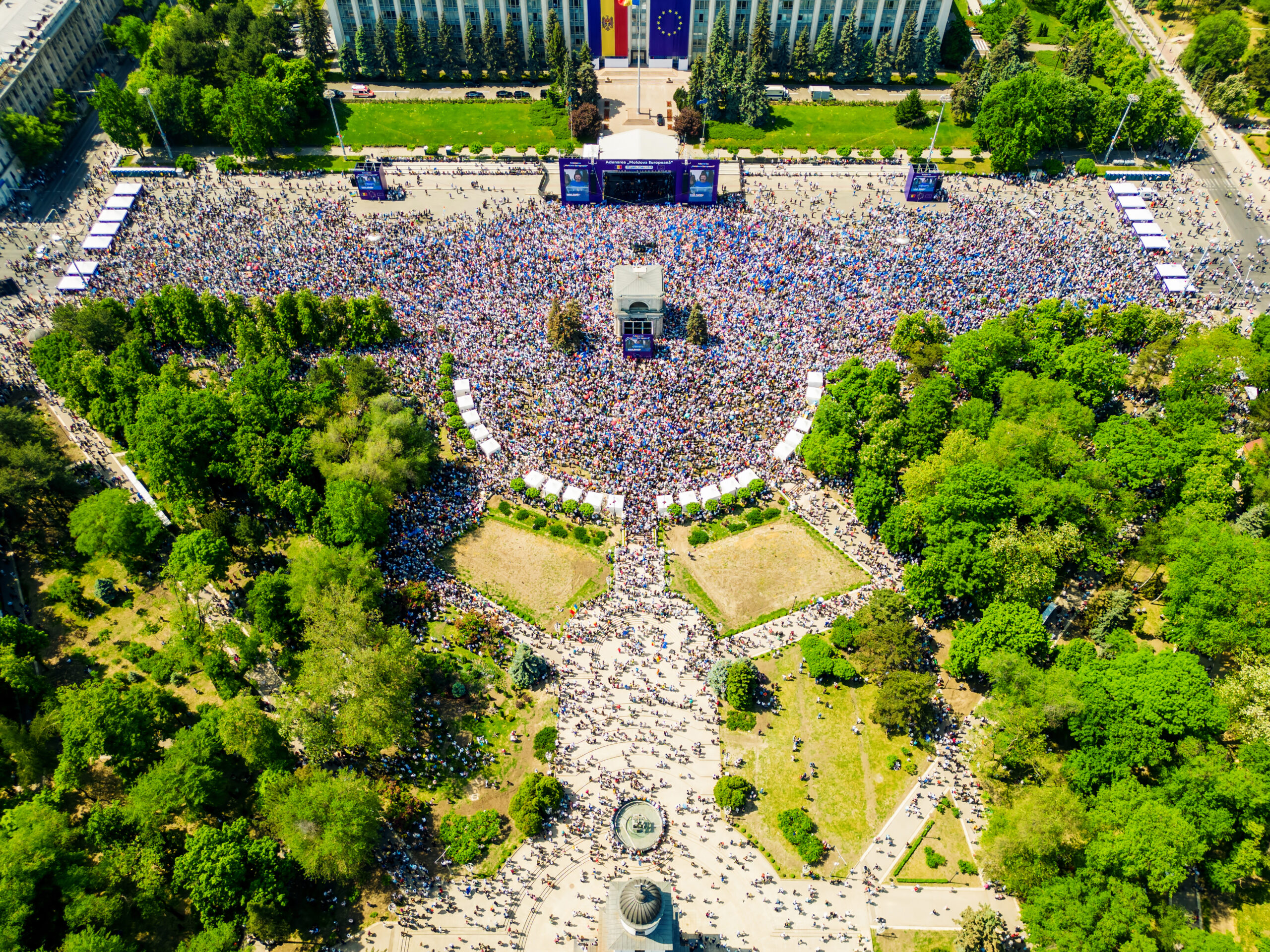
The European Union and Moldova signed a growth plan that includes €1.9 billion in financial support
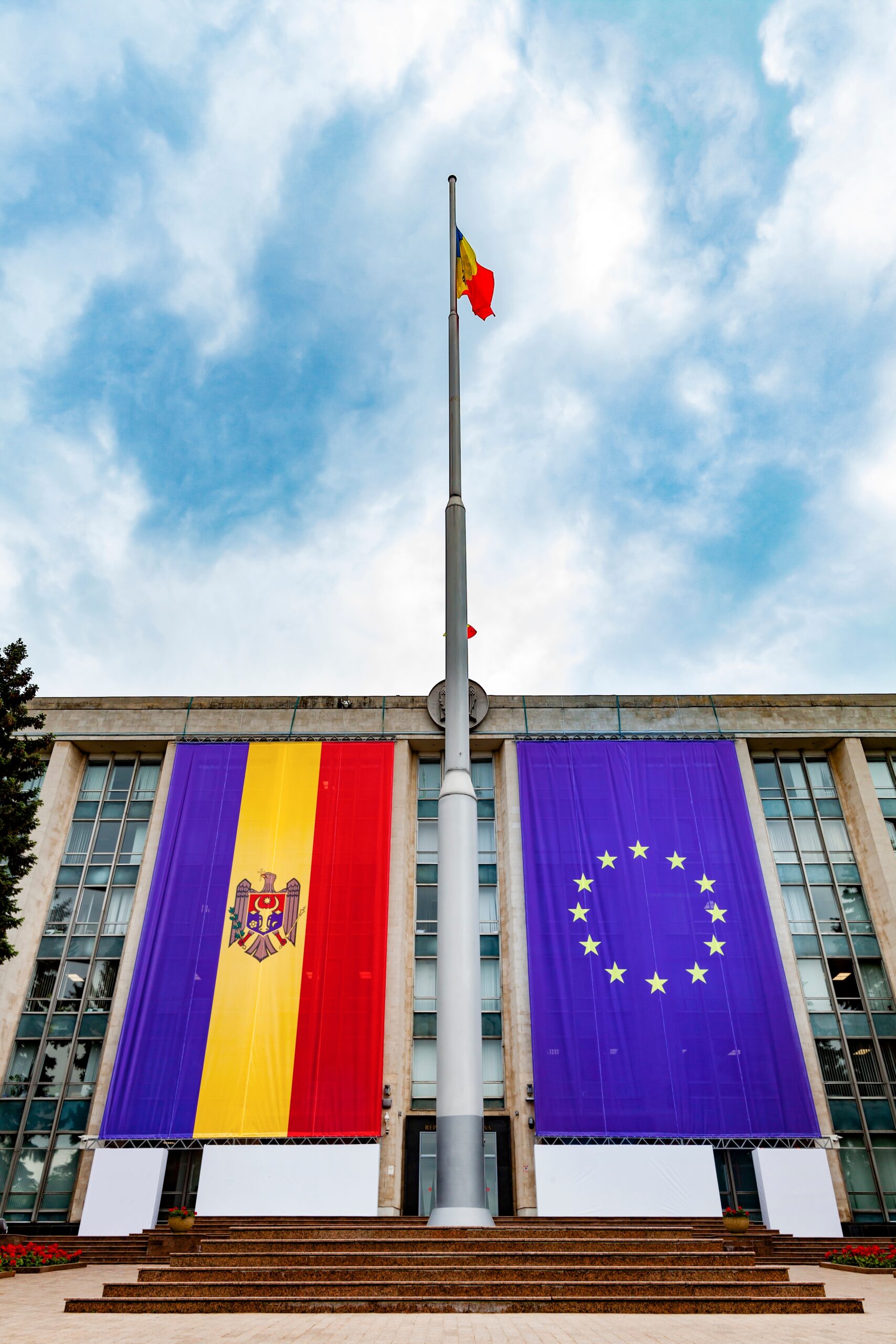
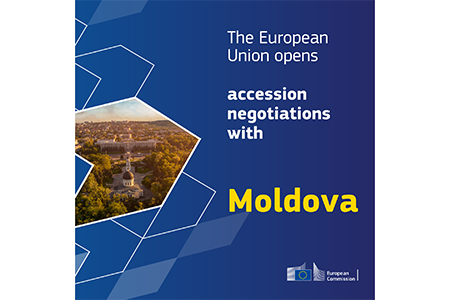
November 2023
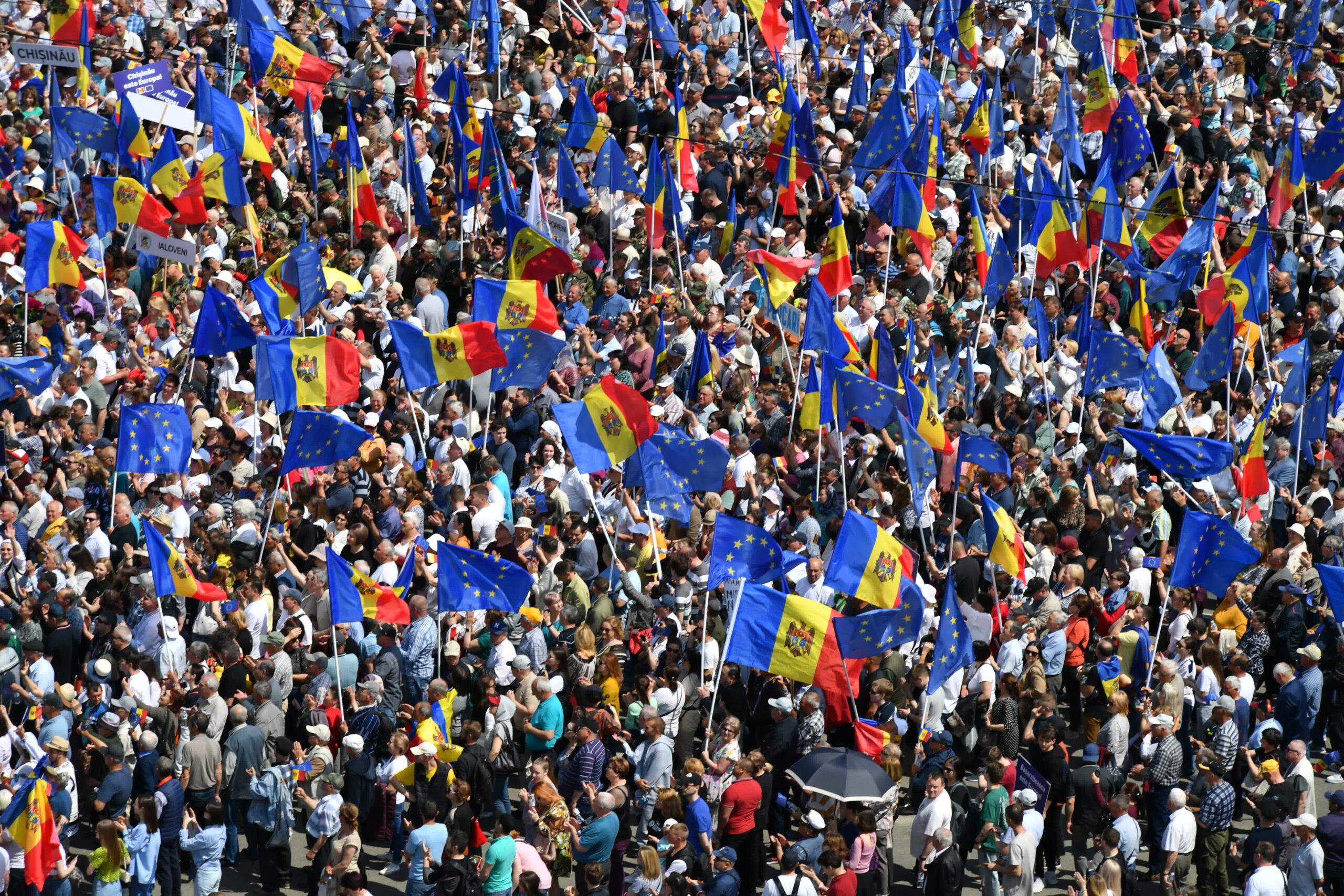
European Commission recommends opening accession negotiations.
June 2022
European Commission recommends candidate status; European Council grants candidate status.
March 2022
Moldova applies for EU membership.
July 2016
Association Agreement and DCFTA enter into force.
June 2014
Signature of the Association Agreement and Deep and Comprehensive Free Trade Area (DCFTA).
What’s next for Moldova’s EU integration?
Moldova has undertaken a series of transformative reforms to align with EU standards and strengthen its democratic institutions. These reforms span governance, justice, economy, and foreign policy, demonstrating Moldova’s commitment to European values.
EU accession clusters
Moldova’s EU accession is guided by 33 negotiation chapters and two key criteria—economic and political—grouped into six thematic clusters. This structured approach ensures a strategic and comprehensive alignment with EU standards. The process begins with essential reforms in rule of law and anti-corruption, which set the pace for integration.
Moldova made tangible progress, aligning with the EU’s Common Foreign and Security Policy and advancing reforms in justice, deoligarchisation, and electoral integrity—reflecting a strong commitment to European values.

Public procurement
Statistics
Judiciary & fundamental rights
Justice, Freedom & Security
Financial control
Public administration reform
Economic criteria

Free movement of goods
Free movement of workers
Right of establishment & freedom to provide services
Free movement of capital
Company law
Intellectual property law
Competition policy
Financial services
Consumer & health protection

Digital transformation & media
Taxation
Economic Taxation & monetary policy
Social policy & employment
Enterprise & industrial policy
Science & research

Transport policy
Energy
Trans – European networks
Enviroment & climate change

Agriculture & Rural Development
Food safety, veterinary & phytosanitary policy
Fisheries & aquaculture
Regional policy & coordination of structural instruments
Financial & budgetary provisions

External relations
Foreign, security & defence policy
EU-Moldova events, conferences, and initiatives
Ongoing partnership and dialogue between Moldova and EU institutions
-
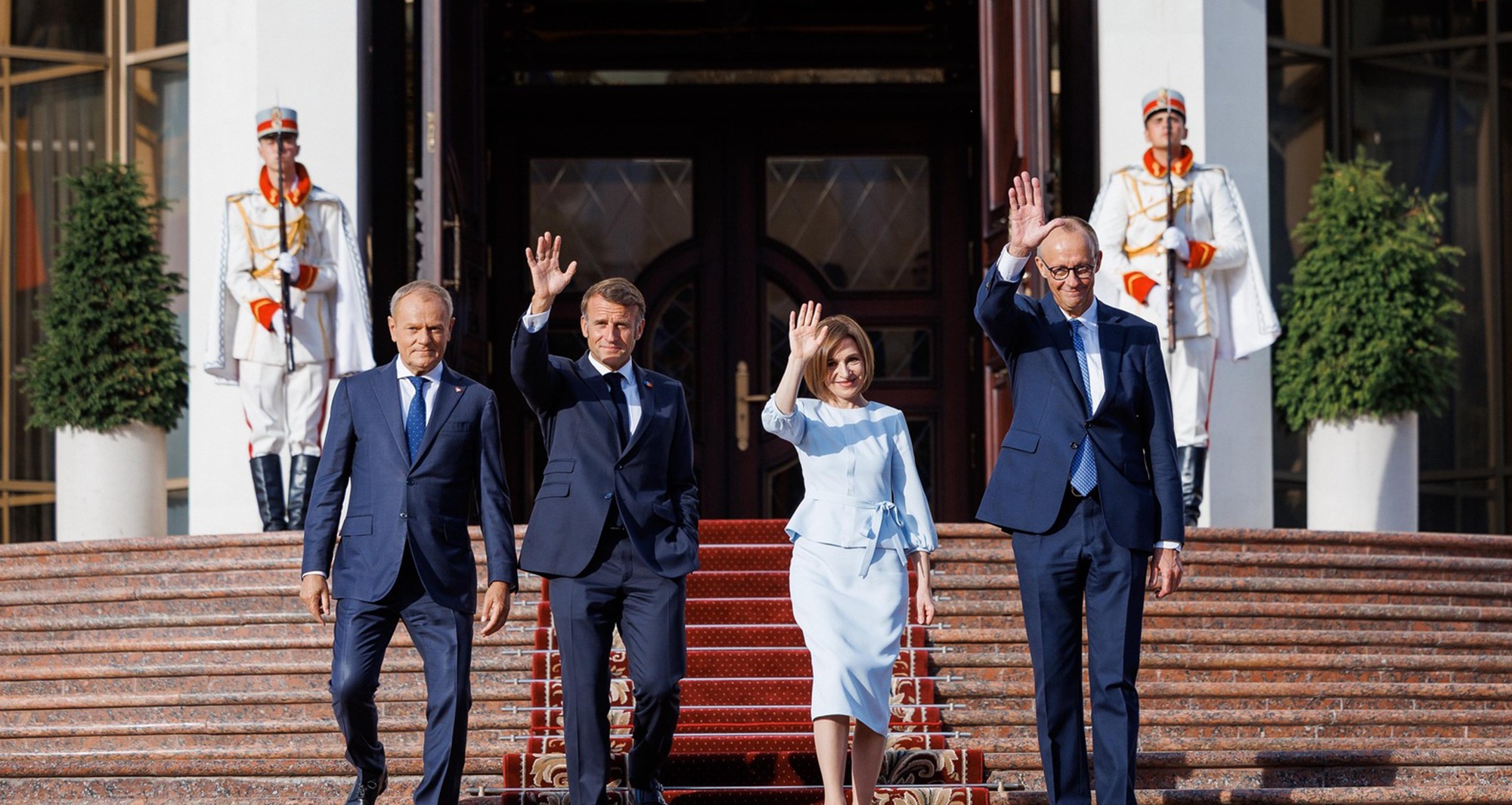
Independence Day in Chișinău: Europe Stood With Moldova
On August 27, Moldova’s Independence Day, three of Europe’s top leaders—France’s President Emmanuel Macron, Germany’s Chancellor Friedrich Merz, and Poland’s Prime Minister Donald Tusk—joined President Maia Sandu in Chișinău to affirm Moldova’s European future. They were welcomed at the Presidential Palace and held joint talks with President Sandu, Prime Minister Dorin Recean, and Parliament Speaker…
-
Independence Day in Chișinău: Europe Stood With Moldova
On August 27, Moldova’s Independence Day, three of Europe’s top leaders—France’s President Emmanuel Macron, Germany’s Chancellor Friedrich Merz, and Poland’s Prime Minister Donald Tusk—joined President Maia Sandu in Chișinău to affirm Moldova’s European future. They were welcomed at the Presidential Palace and held joint talks with President Sandu, Prime Minister Dorin Recean, and Parliament Speaker…
-
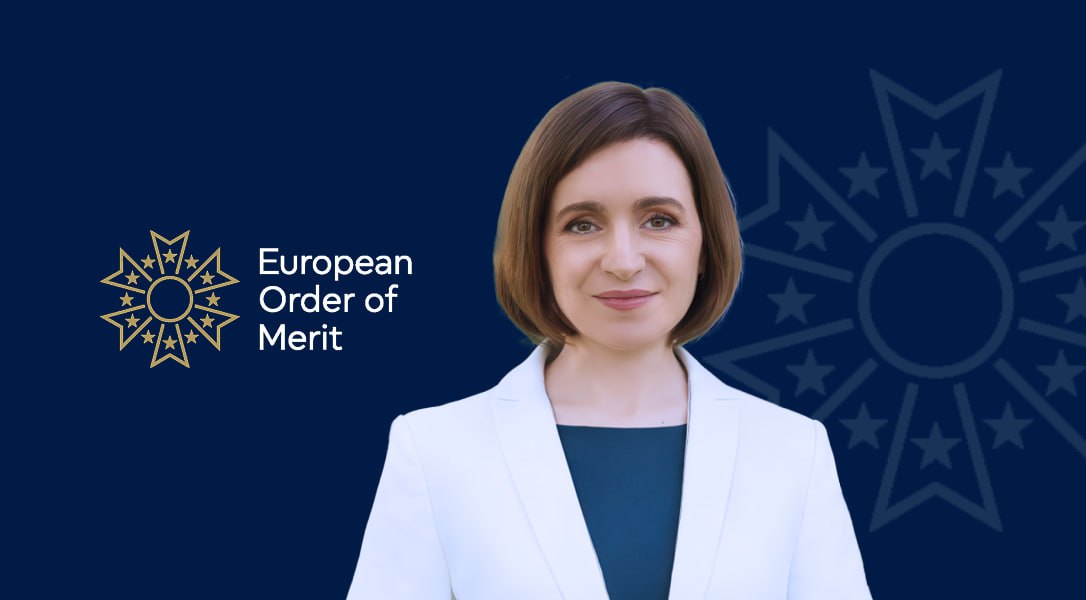
Maia Sandu Among the First Laureates of the European Order of Merit
President of the Republic of Moldova Maia Sandu has been named among the first laureates of the European Order of Merit, a new distinction created by the European Parliament
-
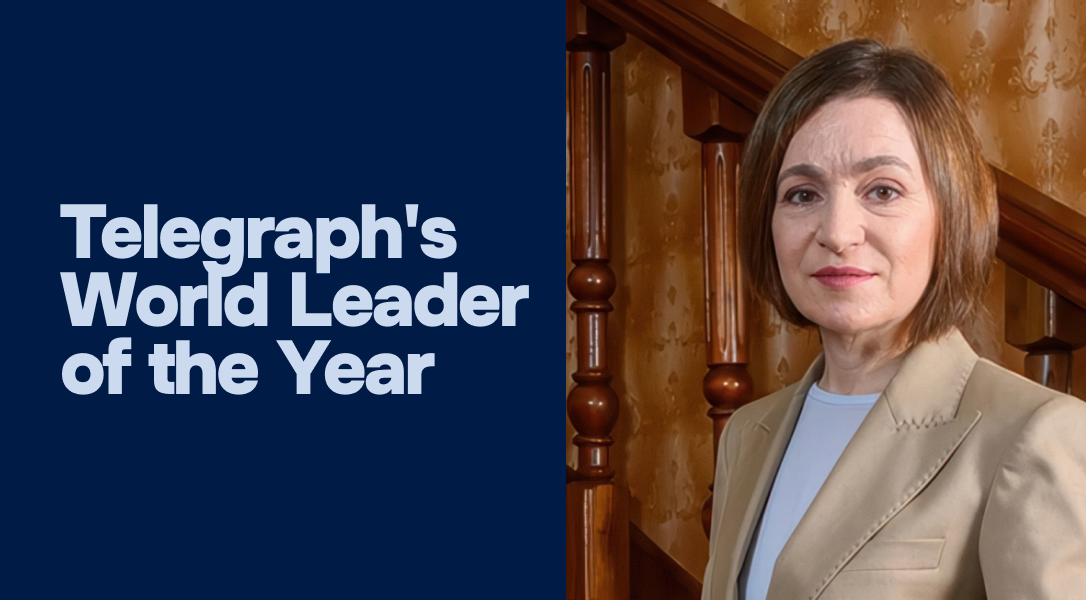
Maia Sandu, Leader of the Year: Moldova’s European Path Recognised by The Telegraph
Maia Sandu has been named World Leader of the Year by The Telegraph, a recognition of principled leadership in one of Europe’s most challenging contexts. At a time of crisis and pressure, Moldova chose democracy, reform, and a clear European path—showing that even small countries can lead with courage, consistency, and vision.
-

Moldova and Romania Celebrate the Universal Day of the Ia, a UNESCO Cultural Treasure
On June 24, communities across Moldova and Romania honour the timeless beauty of the ia, the traditional embroidered blouse now recognised by UNESCO as part of humanity’s intangible cultural heritage. This vibrant celebration connects generations and affirms the region’s shared cultural identity.
Publications
Key publications and reports on Moldova’s EU integration
Moldova report 2024
A snapshot of Moldova’s EU integration journey, key reforms, and public outlook.

EU-Moldova 2024 Enlargement Factsheet
Key milestones, support measures, and reforms shaping Moldova’s EU path, including the €1.9 billion Growth Plan, energy aid, and security cooperation.
EU Growth Plan for Moldova Factsheet
€1.9 billion support package from the EU to boost Moldova’s economy, accelerate reforms, and advance integration into the EU single market.
Overview EU-Moldova Summit – July 2025
A historic step on Moldova’s EU path — the first EU–Moldova Summit highlights reform progress, the €1.9B Growth Plan, energy independence, and deeper market and security integration.
Newsletter
Join Moldova on its journey to the European Union
Stay updated on the latest events, conferences, and collaborative initiatives between Moldova and the European Union. These events highlight the ongoing partnership and dialogue between Moldova and EU institutions.